
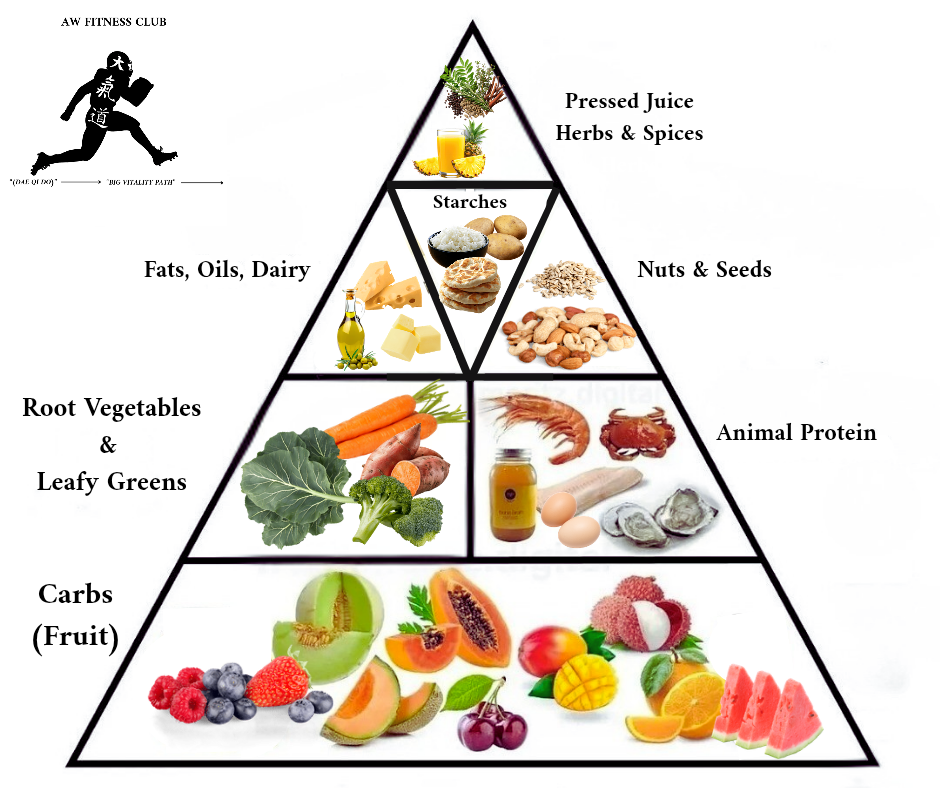
Food That Supports Adaptation, Not Restriction
Most nutrition advice treats food like a math problem — calories in, calories out. We take a different view: food matters because of how it fuels your body, how it supports fluid systems, and how it supports adaptation. The Real Food Pyramid above is the visual foundation that guides everything we teach about eating for energy, digestion, health, and performance.
Each level of the Real Food Pyramid supports different body systems. Inside the Inner Circle, we break down each layer — nutrient by nutrient — to show exactly how food influences circulation, digestion, hormones, and long-term metabolic health.
This section is built on a simple but often ignored truth:
Training drives metabolic change.
Nutrition exists to support it.
Food’s role is not to micromanage body weight.
Its role is to stabilize hormones, protect digestion, support elimination, preserve circulation, and supply the raw materials required for adaptation to occur.
Start Here
At the center of this domain is The 7-Step Diet — the foundational nutrition framework used throughout AW Fitness Club.
It is not:
- a calorie-counting plan
- a crash or elimination diet
- a food ideology
It is:
- a metabolic support system
- a whole-food framework
- a way to eat that pairs naturally with daily movement and training
The 7-Step Diet explains how food supports a body that trains daily, restores rhythm, and allows fat loss and health improvements to occur without obsession.
👉 If you’re new here, begin with:
 Andre Williams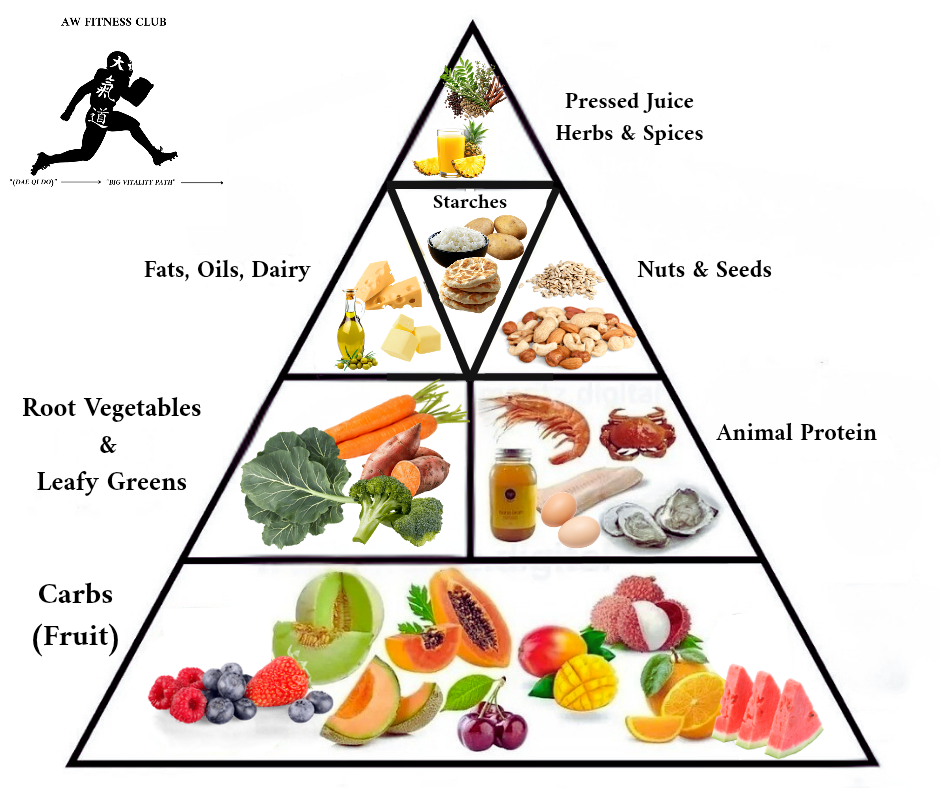
 Andre Williams
What You’ll Learn in This Domain
The articles in this section explore nutrition through a systems lens, not trends or tactics.
You’ll learn:
- Why insulin problems are usually movement problems, not carb problems
- How fruit and vegetables improve blood quality, circulation, and elimination
- Why hydration matters more than macros
- How repetition and simplicity outperform novelty and optimization
- Why digestion, stool quality, and appetite regulation are metabolic signals
- How food choice interacts with hormones, mitochondria, and the cardiovascular system
Nothing here exists in isolation. Every article connects back to the larger system.
 Andre Williams
 Andre Williams
 Andre Williams
 Andre Williams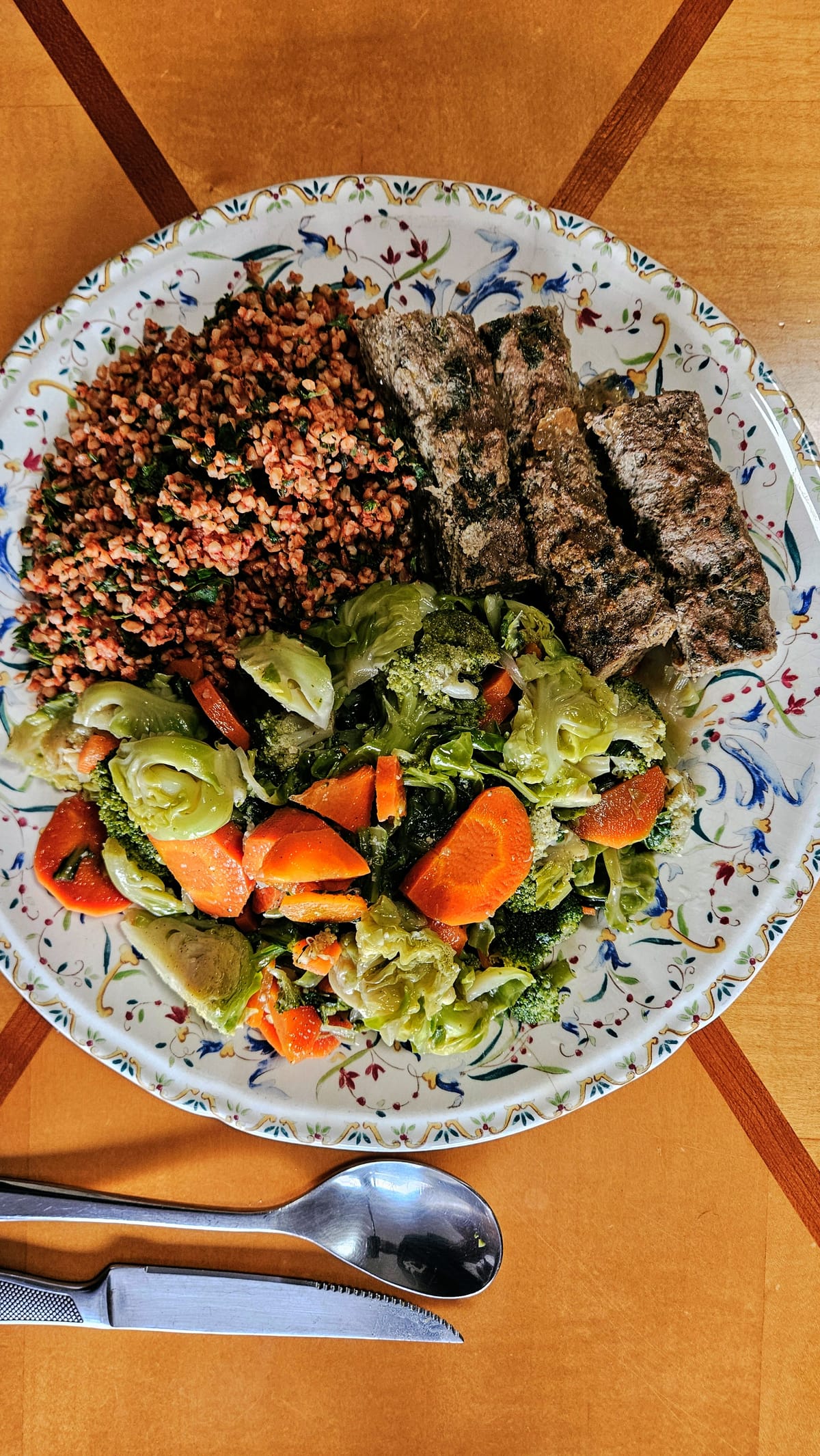
 Andre Williams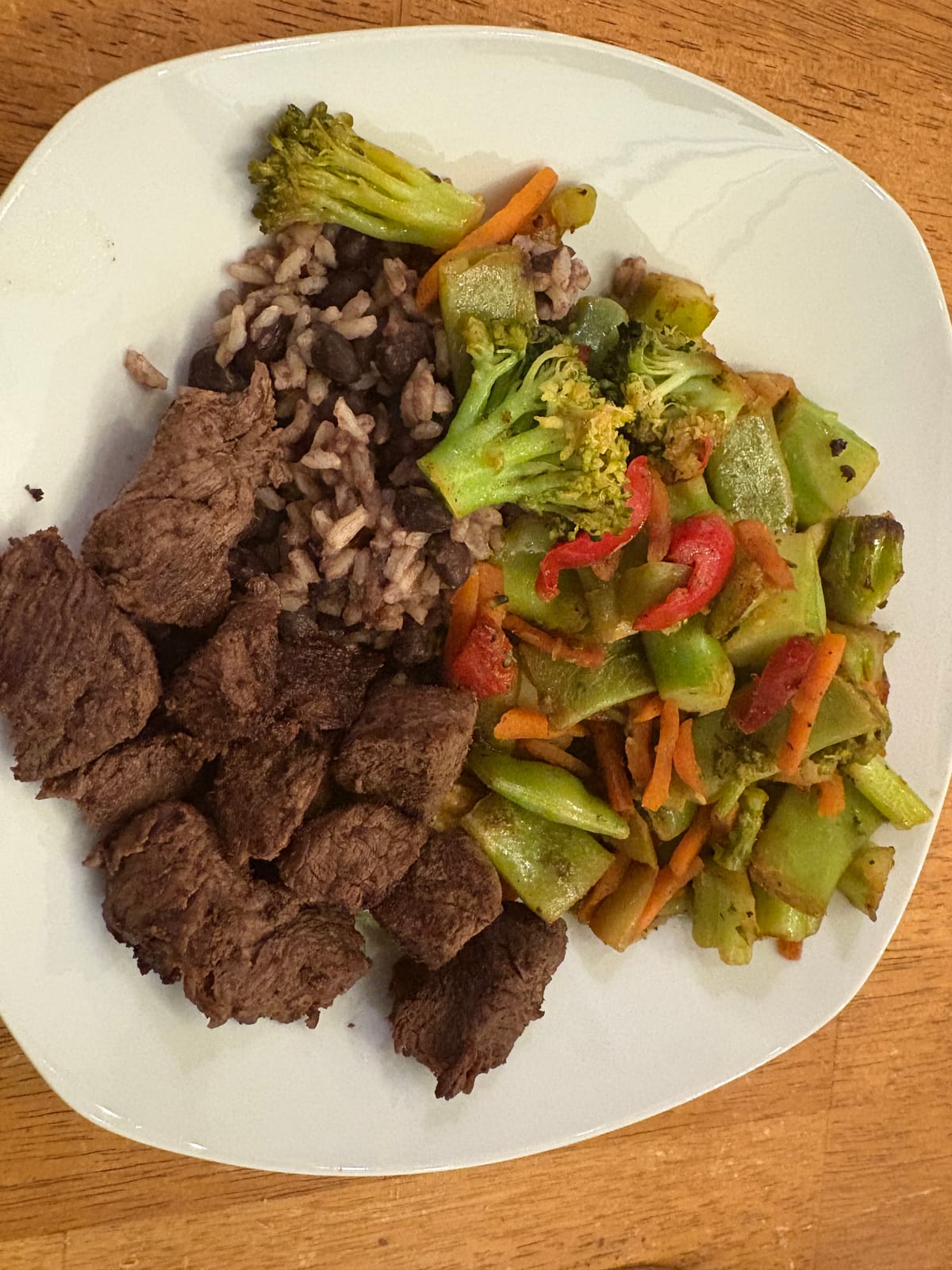
 Andre Williams
 Andre Williams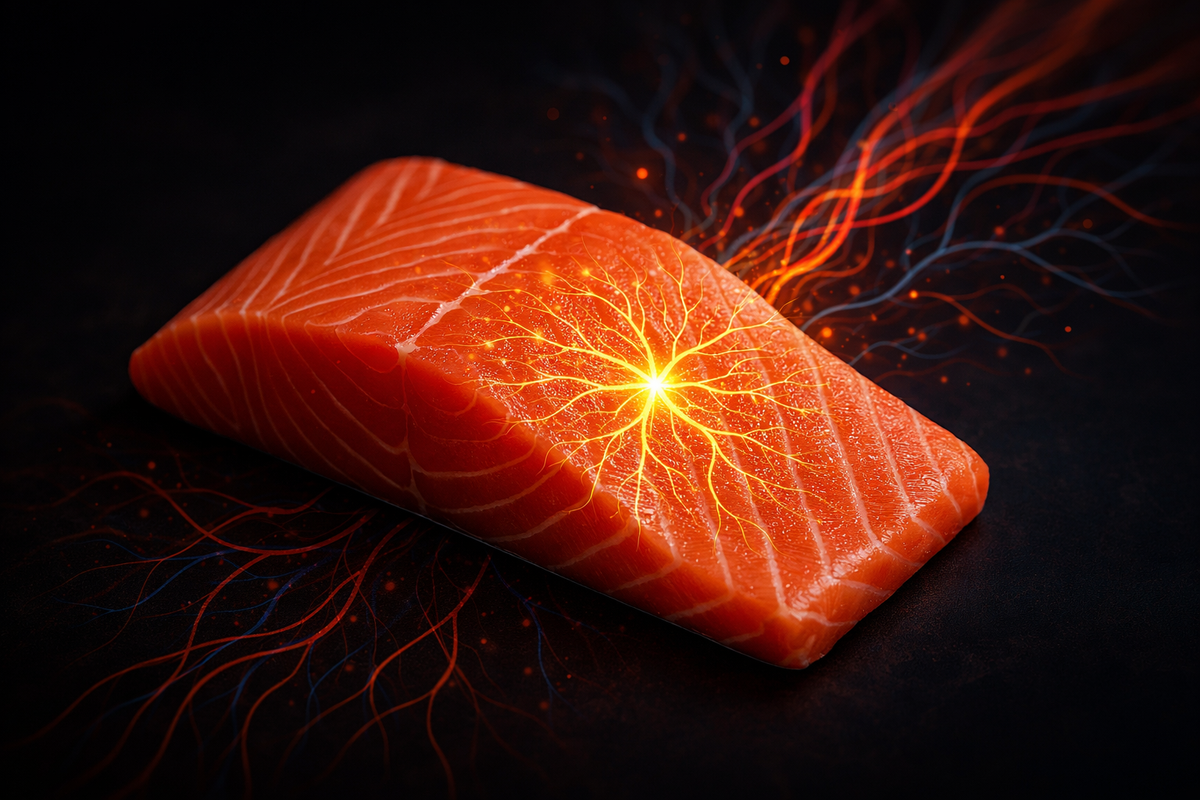
 Andre Williams
These principles apply whether your goal is fat loss, muscle building, or long-term health.
Anti-Nutrient Apologetics
The term anti-nutrient is often used to suggest that certain plant compounds are harmful, obstructive, or incompatible with human health.
This section exists to challenge that assumption — not by ideology, but by physiology.
Oxalates, lectins, phytates, fiber, and other plant compounds evolved alongside human digestion. When systems are intact, these compounds act as regulators, not toxins — pacing absorption, managing excess, and supporting long-term metabolic resilience.
Problems arise not from the compounds themselves, but from:
- impaired digestion
- poor preparation
- microbial imbalance
- chronic inflammation
Anti-Nutrient Apologetics is not about denial.
It is about context, stewardship, and system capacity.
Plants are not the enemy.
Broken systems are.
 Andre Williams
 Andre Williams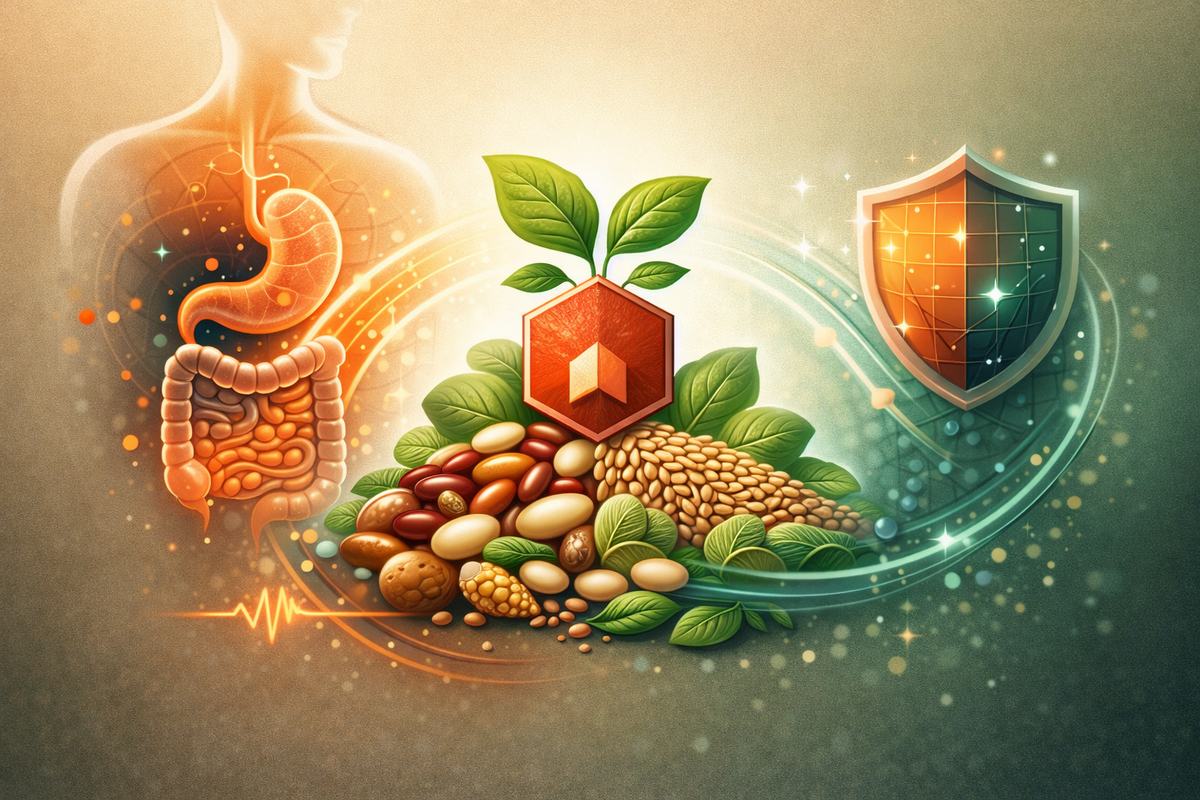
 Andre Williams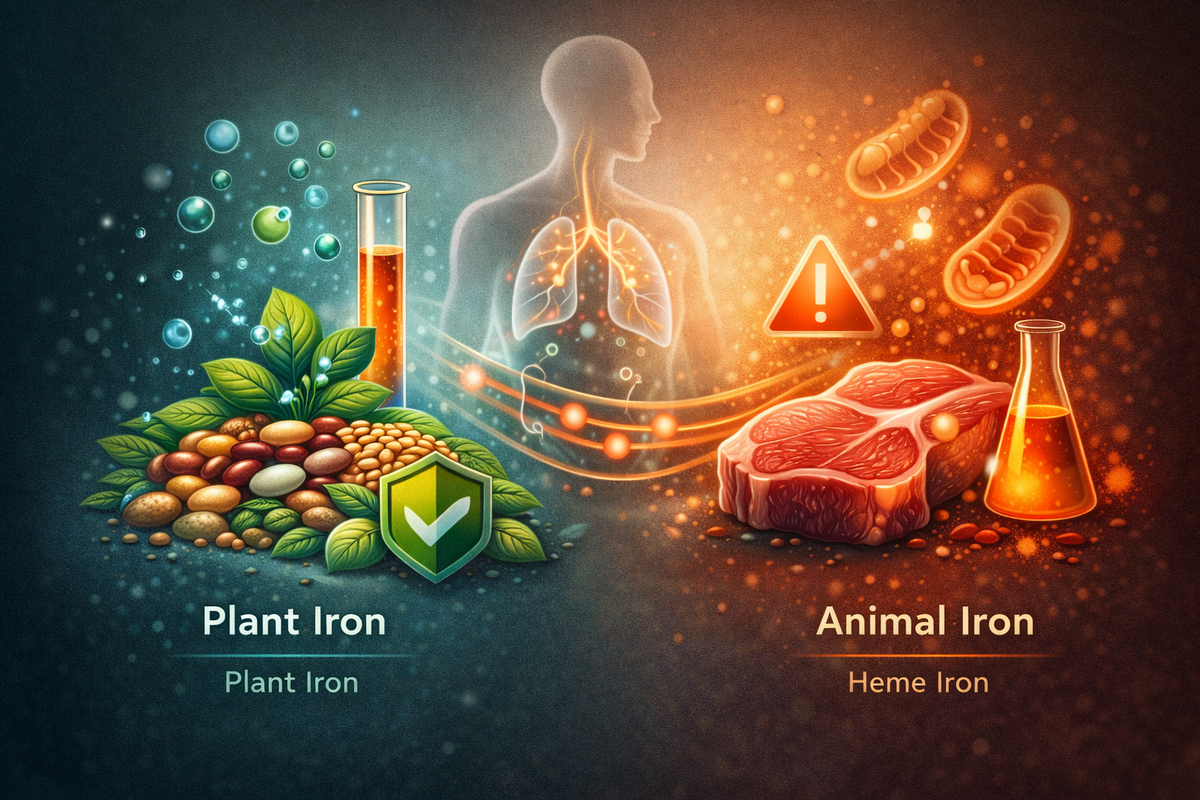
 Andre Williams
 Andre Williams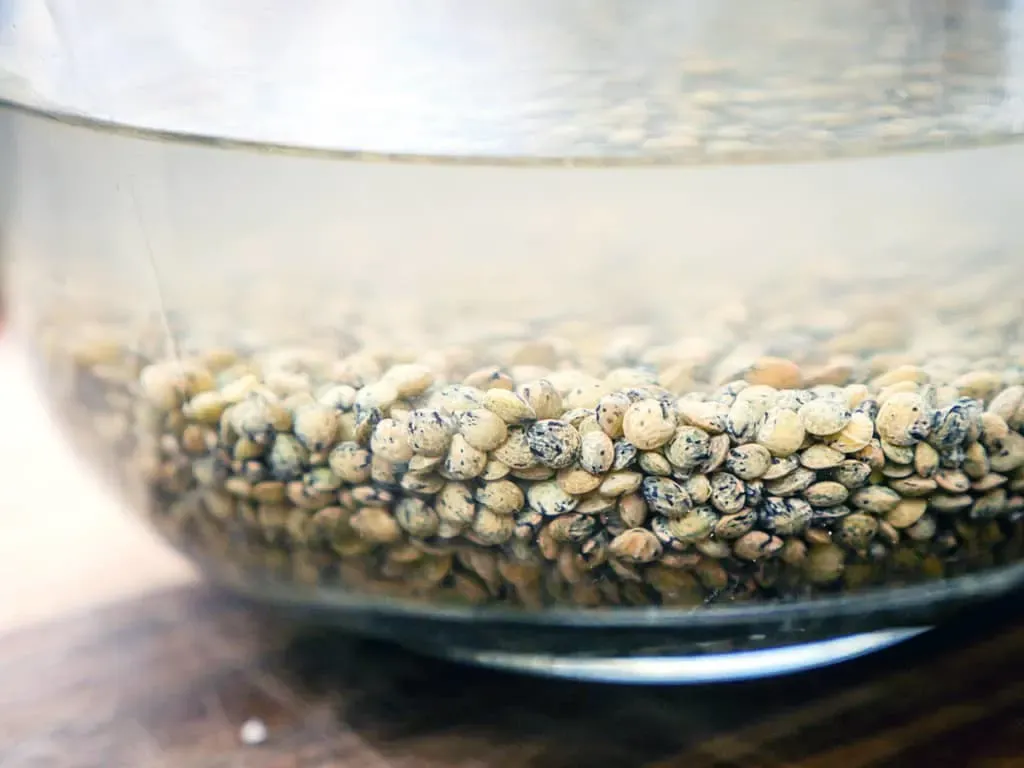
 Andre Williams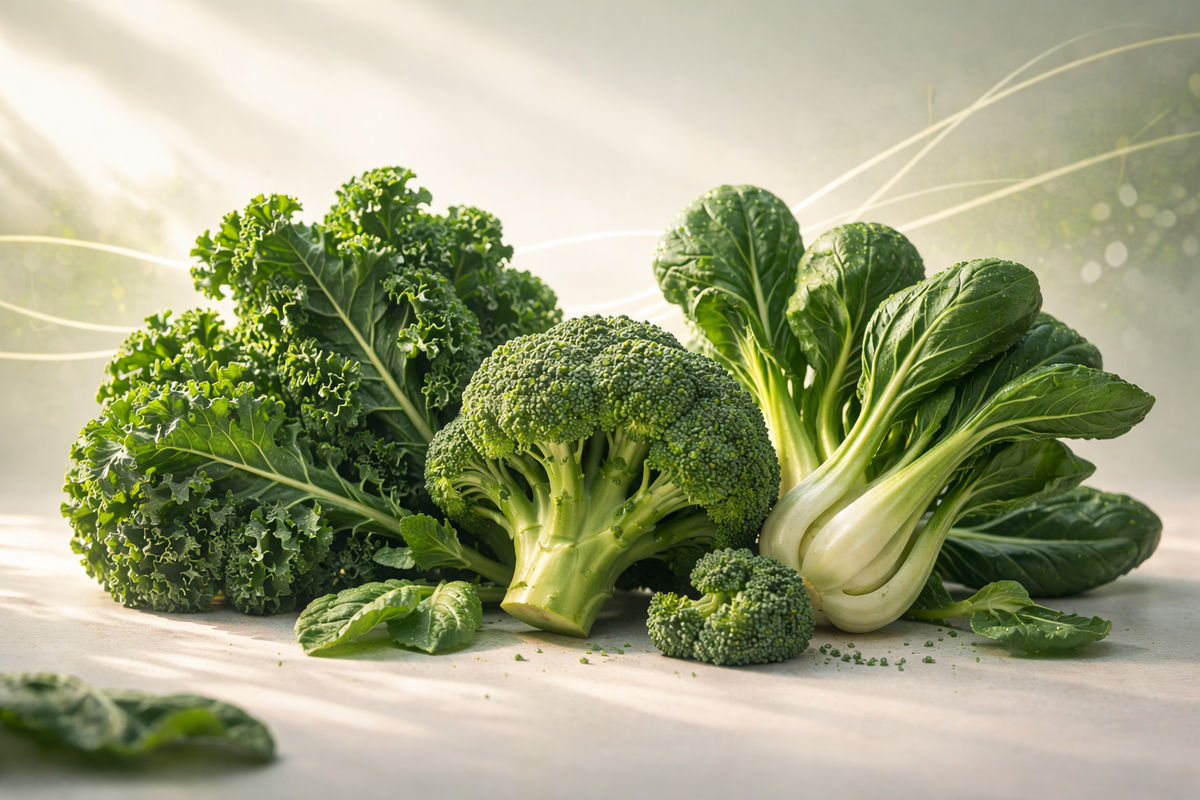
 Andre Williams
 Andre Williams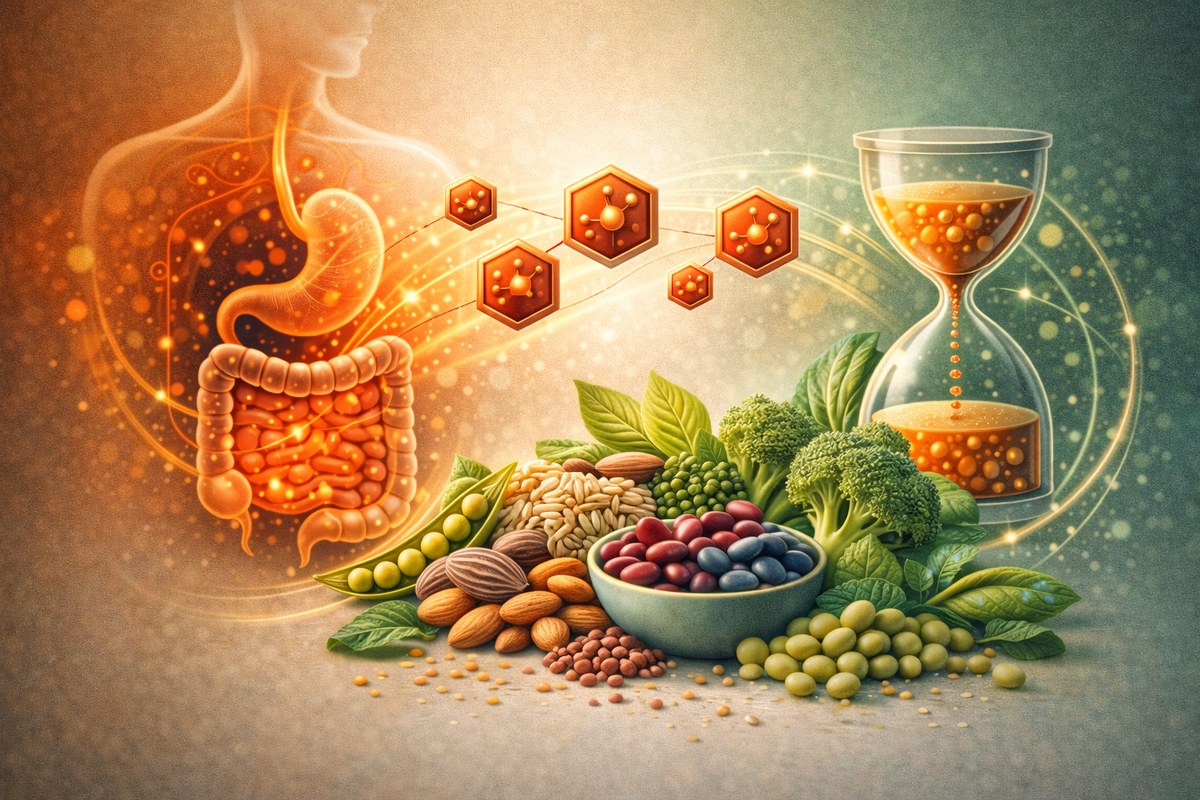
How Nutrition Fits the Bigger Picture
Nutrition inside AW Fitness Club is inseparable from:
- Training & Movement — especially daily bodyweight training
- Adaptations — cardiovascular, mitochondrial, connective tissue, and hormonal
- Body Systems — digestion, circulation, lymphatic flow, and elimination
Food does not “fix” metabolism on its own.
It creates the conditions under which adaptation can occur.
Understand this:
You don’t need more rules or diet restrictions.
You need a framework that respects physiology.
The Nutrition & Diet domain exists to help you eat in a way that:
Inner Circle Essays 🔒
Nutrition only works when the entire chain is functioning.
The Inner Circle essays explain what most nutrition advice leaves out: digestion, absorption, utilization, elimination, and biological context.
Featured essays include:
 Andre Williams
 Andre Williams
 Andre Williams
These essays are written for readers who want understanding, not rules.
Ready to Go Deeper?
If you want the reasoning behind the rules—and how to stop sabotaging progress by mixing incompatible strategies: