
Read this first. Then decide if this is for you.
If you’re new here, this page will show you how to use AW Fitness Club properly.
This isn’t a collection of random fitness tips.
It’s a system — built to help you train, eat, and live in a way your body can actually sustain.
If you jump around without understanding the foundations, the rest won’t land.
If you follow the sequence, things start to click quickly.
Why This Site Exists
Most people don’t struggle with fitness because they lack discipline.
They struggle because they’re chasing the wrong target.
They chase:
- muscle size
- calories burned
- scale weight
- short-term intensity
But athletic fitness doesn’t start with aesthetics.
It starts with your internal engine — your cardiovascular system.
Before you ever need food or water, you need air.
Oxygen drives every biological process that matters: energy production, fat metabolism, recovery, and long-term adaptation.
AW Fitness Club exists to teach you how to rebuild that engine first —
then support it with movement, nutrition, and daily habits that don’t break you down over time.
Who This Is For (And Who It Isn’t)
This site is for you if:
- You want to train at home without the gym owning your schedule
- You care about energy, durability, and longevity — not just looks
- You’re tired of restarting every few months
- You want principles you can apply daily, not motivation you have to borrow
This is not for people looking for:
- 30-day transformations
- extreme restriction
- gym-dependent programming
- aesthetic shortcuts at the expense of health
If that’s what you’re after, this approach will probably feel frustrating.
That’s intentional.
How to Use This Site
Don’t read randomly.
Think of this as a manual, not a feed.
Start with the principles.
Then layer the practices.
STEP 1 — THE FOUNDATION
Stop Chasing Symptoms. Learn How the Body Actually Works.
Most fitness advice fails because it treats the body like a calculator.
Calories in. Calories out. Burn more. Eat less.
But the human body doesn’t run on math — it runs on systems.
Energy is produced cell by cell.
Fat loss is governed by oxygen, circulation, and hormonal signaling.
Pain, plateaus, and burnout happen when one system is pushed while others fall behind.
Before training programs, meal plans, or supplements make sense, you need to understand one thing:
The body adapts as a whole — or it breaks as a whole.
That’s why this site starts here.
Not with workouts.
Not with food rules.
But with how the body actually produces energy and remodels itself over time.
The core truths you need first:
- You don’t “burn” calories — you produce energy
- Fat loss is a cardiovascular and metabolic function, not a willpower issue
- Fixing isolated symptoms never corrects systemic dysfunction
- Sustainable progress only happens when systems cooperate
If these ideas feel unfamiliar, good.
They’re the missing context behind most failed fitness attempts.
👉 Start with these two articles:
 Andre Williams
 Andre Williams
Everything else on this site builds on these principles.
Skip them, and the tactics won’t land.
Understand them, and the rest starts to feel obvious.
Step 2 — Training
Exercise Bodyweight Daily (EBD)
Athletic bodies are built through consistent exposure, not occasional destruction.
EBD is built around:
- short daily sessions
- bodyweight-first movement
- cardiovascular efficiency
- breath-led control
This is why daily training works:
- oxygen delivery improves
- fat metabolism increases
- joints ache less
- recovery speeds up
- movement quality rises
👉 Read next:
 Andre Williams
 Andre Williams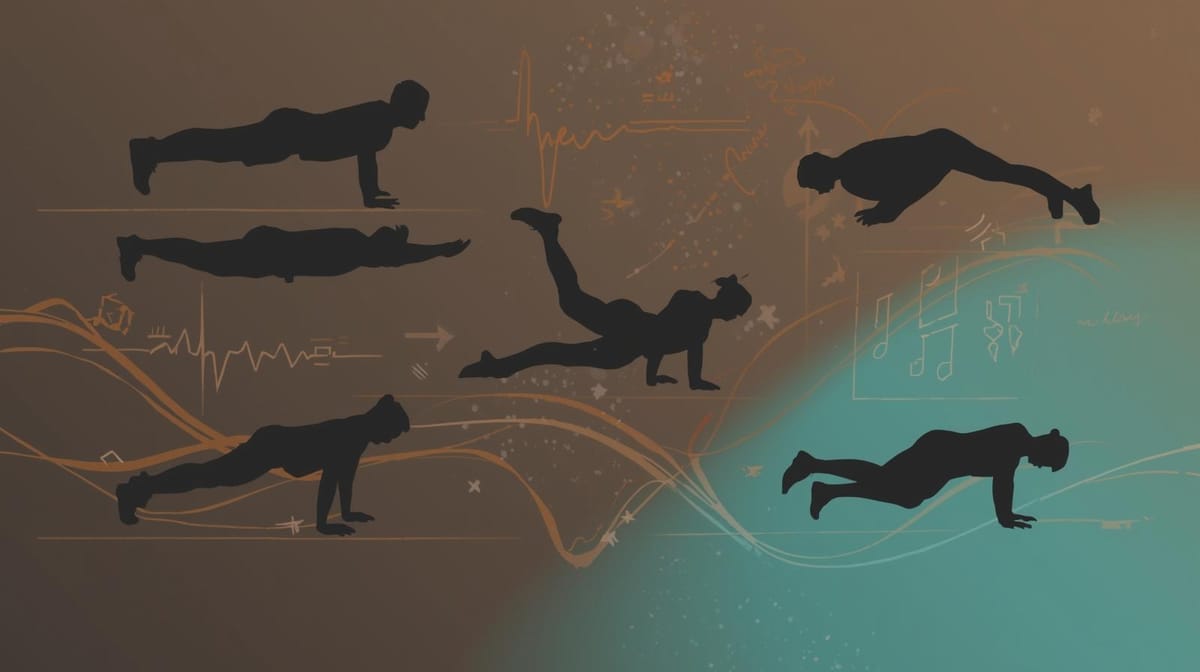
 Andre Williams
Step 3 — Nutrition
Fuel the Body, Don’t Fight It
Calories aren’t “burned.”
Energy is produced cell by cell through oxygen-dependent processes.
That’s why:
- fat loss is a cardiovascular function
- blood sugar and insulin matter more than math
- food quality determines digestion, energy, and recovery
The nutrition approach here emphasizes:
- fruit and vegetable diversity for medicinal support
- real carbohydrates, not refined grains
- discriminant consumption — knowing what you’re actually eating
- staples and meal prep as structure, not restriction
- intermittent fasting as a tool, not a religion
👉 Recommended reading:
 Andre Williams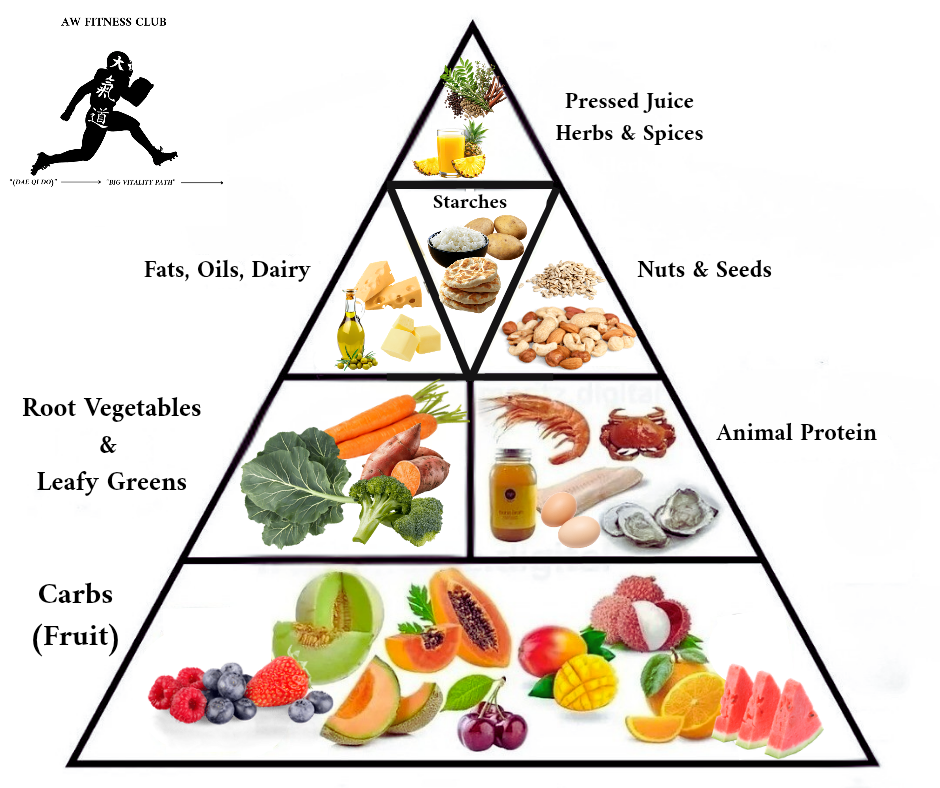
 Andre Williams
 Andre Williams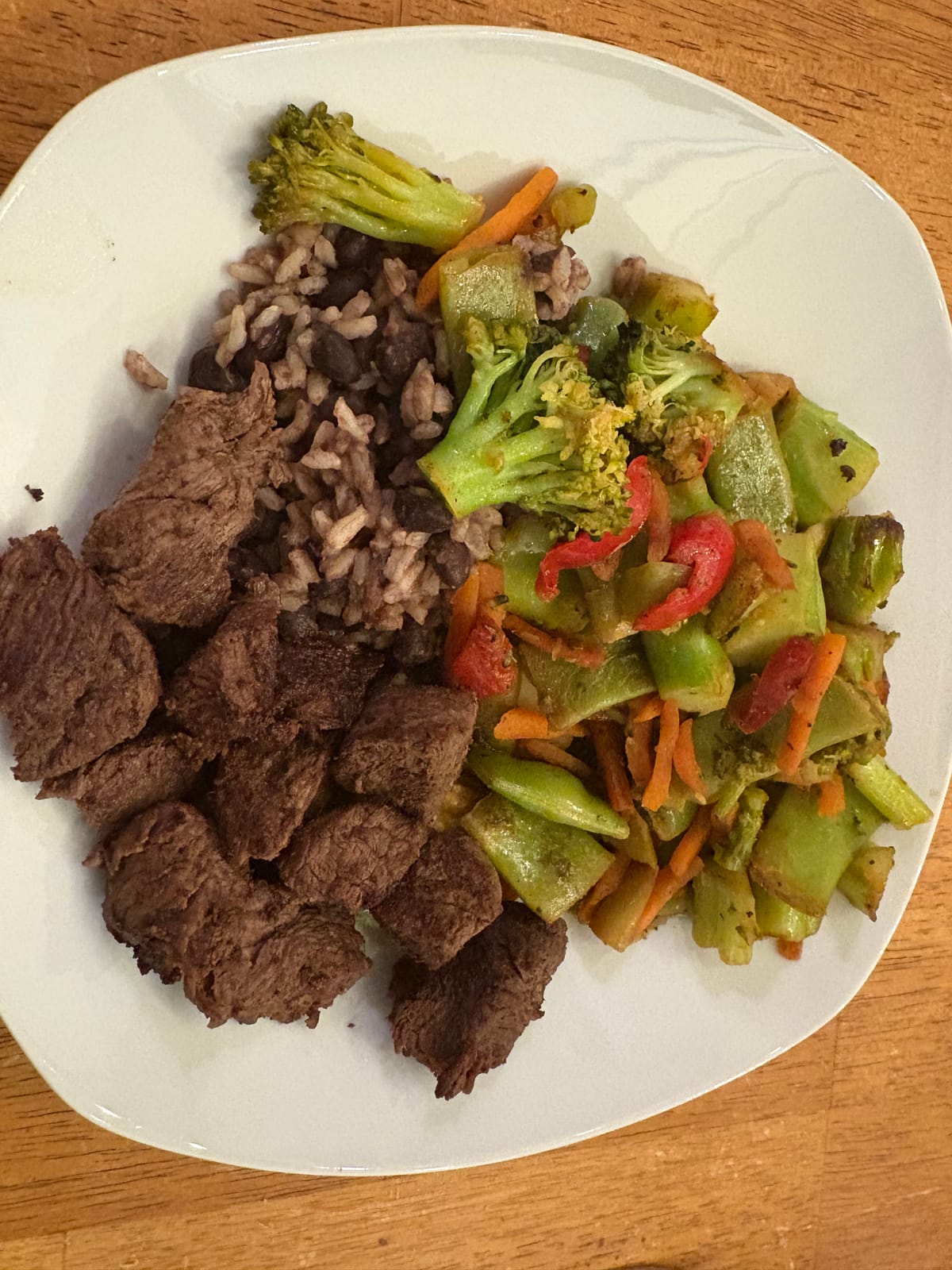
Step 4 — Durability & Longevity
Build a Body That Doesn’t Fall Apart
Strength without flexibility eventually breaks.
Connective tissue, joints, and breath determine:
- how force is transferred
- how long you can train
- how pain-free your life feels
This is why flexibility and mobility are trained daily — not occasionally.
Over time, this creates:
- smoother movement
- less stiffness
- fewer injuries
- more freedom in everyday life
👉 Explore when ready:
 Andre Williams
 Andre Williams
What to Expect From the Writing Here
You won’t find:
- motivational fluff
- perfect plans for everyone
- one-size-fits-all prescriptions
You will find:
- clear principles
- physiological reasoning
- systems designed for real life
- ideas meant to compound over years
Some posts are practical.
Others are philosophical.
All of them are written to help you stay in the game longer.
One Last Thing
If you want to follow this work as it develops — especially the deeper dives into training systems, nutrition, gut health, and metabolic resilience — you can subscribe below.
No spam.
No hype.
Just work that holds up over time.