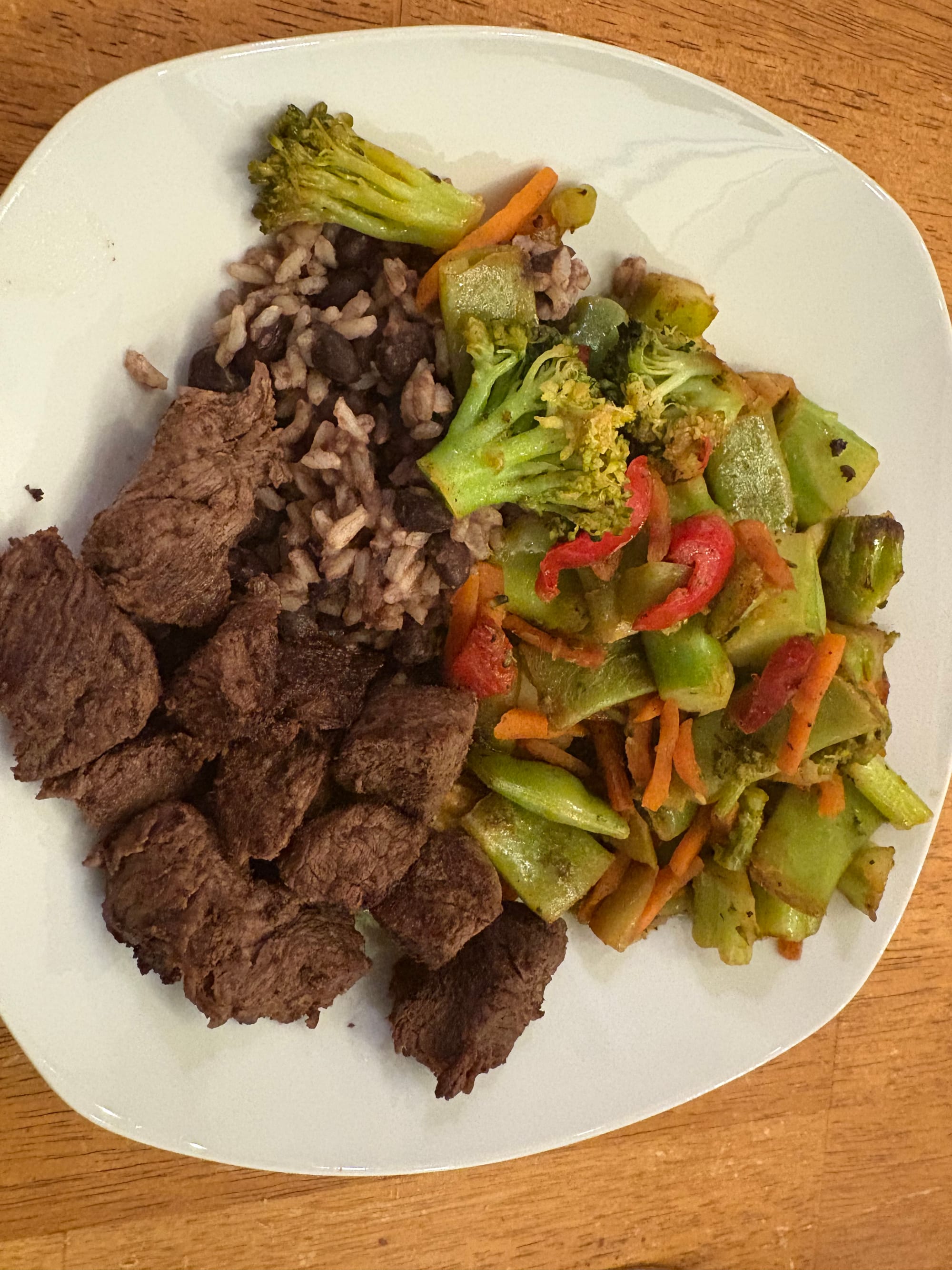
Most people don’t struggle with nutrition because they don’t care.
They struggle because they’re trying to optimize food instead of organize it.
Apps, spreadsheets, and formulas turn eating into a mental burden. The result isn’t better nutrition — it’s stress, inconsistency, and eventually burnout.
There’s a simpler way to eat well:
build your plate by sight.
Why Proportions Matter More Than Numbers
Calories are abstract.
Plates are real.
Your body doesn’t experience food as numbers — it experiences volume, balance, digestion, and energy flow. When meals are proportioned correctly, the math tends to take care of itself.
That’s why traditional cultures didn’t count calories.
They balanced plates.
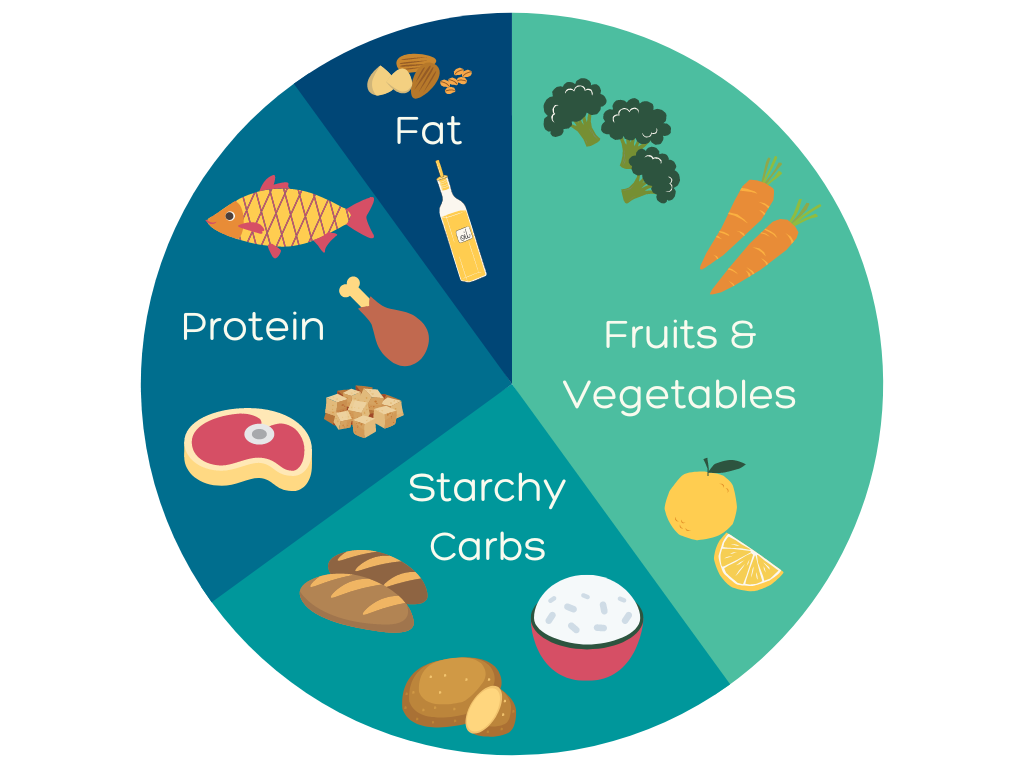
The Default Plate (Your Starting Point)
For most people, most days, a balanced plate looks like:
- ⅓ Protein
- ⅓ Vegetables / Plants
- ⅓ Carbohydrates
- Small amounts of fat for flavor
This ratio:
- Supports energy
- Stabilizes blood sugar
- Feeds the microbiome
- Prevents under-eating or overeating
From here, you adjust based on context, not mood.
Adjusting the Plate by Goal
🟢 Fat Loss / Lower Activity Days
- ½ vegetables
- ⅓ protein
- ⅙–¼ carbs
- Light fats
More volume, fewer dense calories, high micronutrient intake.
🔵 Muscle Building / High Training Days
- ½ protein
- ¼–⅓ vegetables
- ¼–⅓ carbs
- Moderate fats
Fuel performance and recovery without excess.
🟡 Maintenance / Everyday Life
- ⅓ / ⅓ / ⅓
- Consistency over perfection
This is where most people should live.
Protein First When Appetite Is Low
One of the biggest mistakes people make — especially with intermittent fasting — is undereating protein.
If appetite is small:
- Start with whole fruits & cover your micronutrient intake first
- Prioritize protein at dinner
- Choose vegetables over carbs
- Eliminate UPF snacks, juice, & added sugars. This should go without saying.
This ensures the body gets what it needs before fullness kicks in.
Why This Works in the Real World
Plate-based eating:
- Works at restaurants
- Works while traveling
- Works with families
- Works without measuring tools
It also respects reality:
- Digestion varies
- Absorption varies
- Stress changes needs
- Training volume fluctuates
Instead of fighting variability, this system adapts to it.
Proportions + Serving Sizes = Freedom
When you combine:
- Hand-based serving sizes
- Visual plate proportions
You get:
- Consistent intake
- Fewer decisions
- Better adherence
- Less food anxiety
Nutrition becomes repeatable, not restrictive.
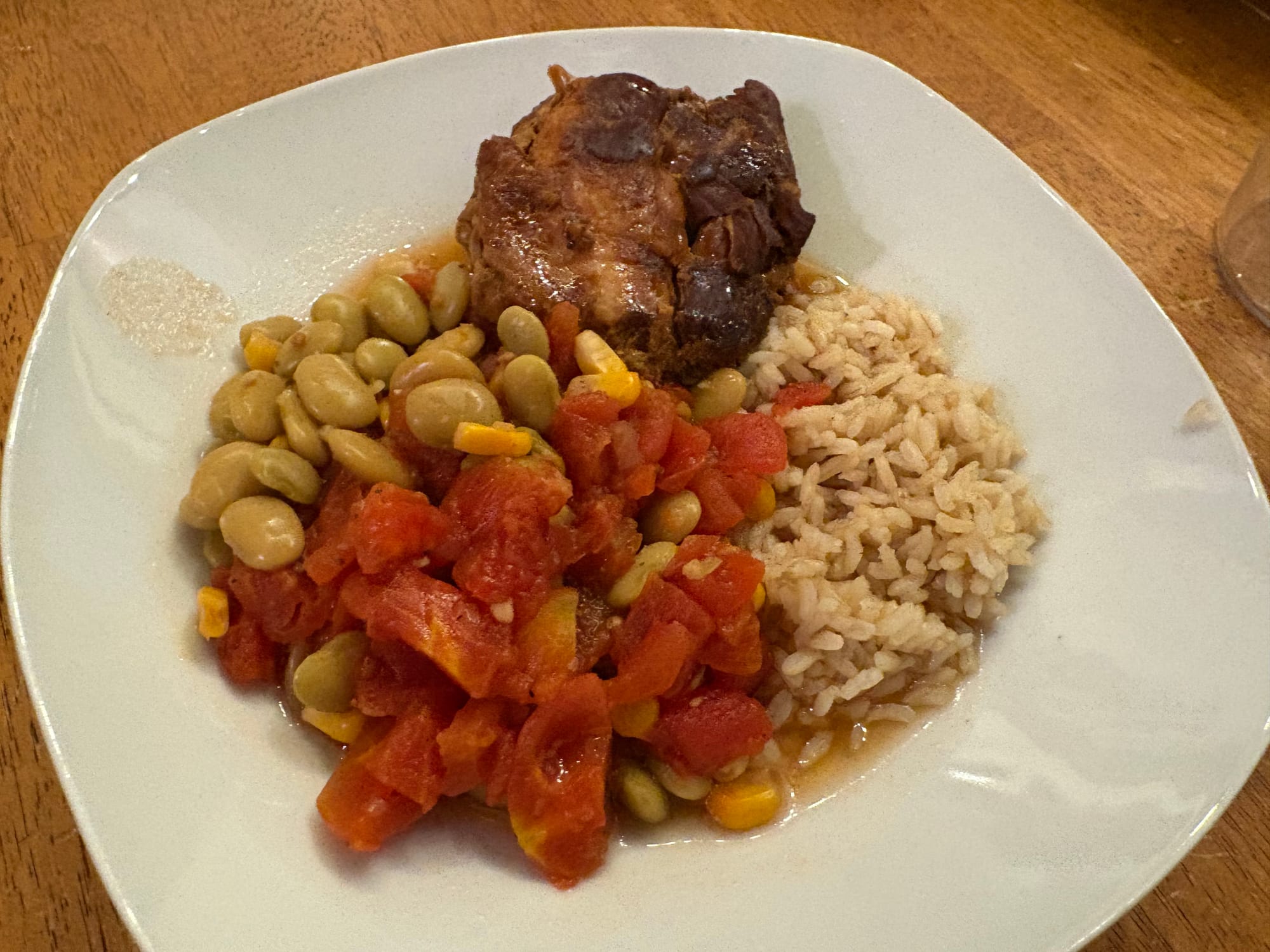
The Bottom Line
You don’t need perfect math.
You need:
- Quality food
- Balanced proportions
- Consistent habits
Build your plate.
Adjust by results.
Leave the spreadsheet behind.
Most people don’t struggle with nutrition because they don’t care.
They struggle because they’re trying to optimize food instead of organize it.
Apps, spreadsheets, and formulas turn eating into a mental burden. The result isn’t better nutrition — it’s stress, inconsistency, and eventually burnout.
There’s a simpler way to eat well:
build your plate by sight.