Most people don’t fail at nutrition because they lack discipline.
They fail because they’re trying to manage food with spreadsheets instead of systems.
Calorie counting is tedious, inaccurate, and mentally exhausting. Even when done “perfectly,” it’s still an estimate — one that ignores digestion, absorption, utilization, and elimination.
There is a simpler way.
Why We Don’t Count Calories
Calories tell you how much energy a food contains — not how your body will use it.
Two people can eat the same meals and experience completely different outcomes due to:
- Gut health
- Microbiome balance
- Hormonal state
- Stress levels
- Training volume
- Metabolic flexibility
That’s why obsessing over numbers often creates frustration instead of clarity.
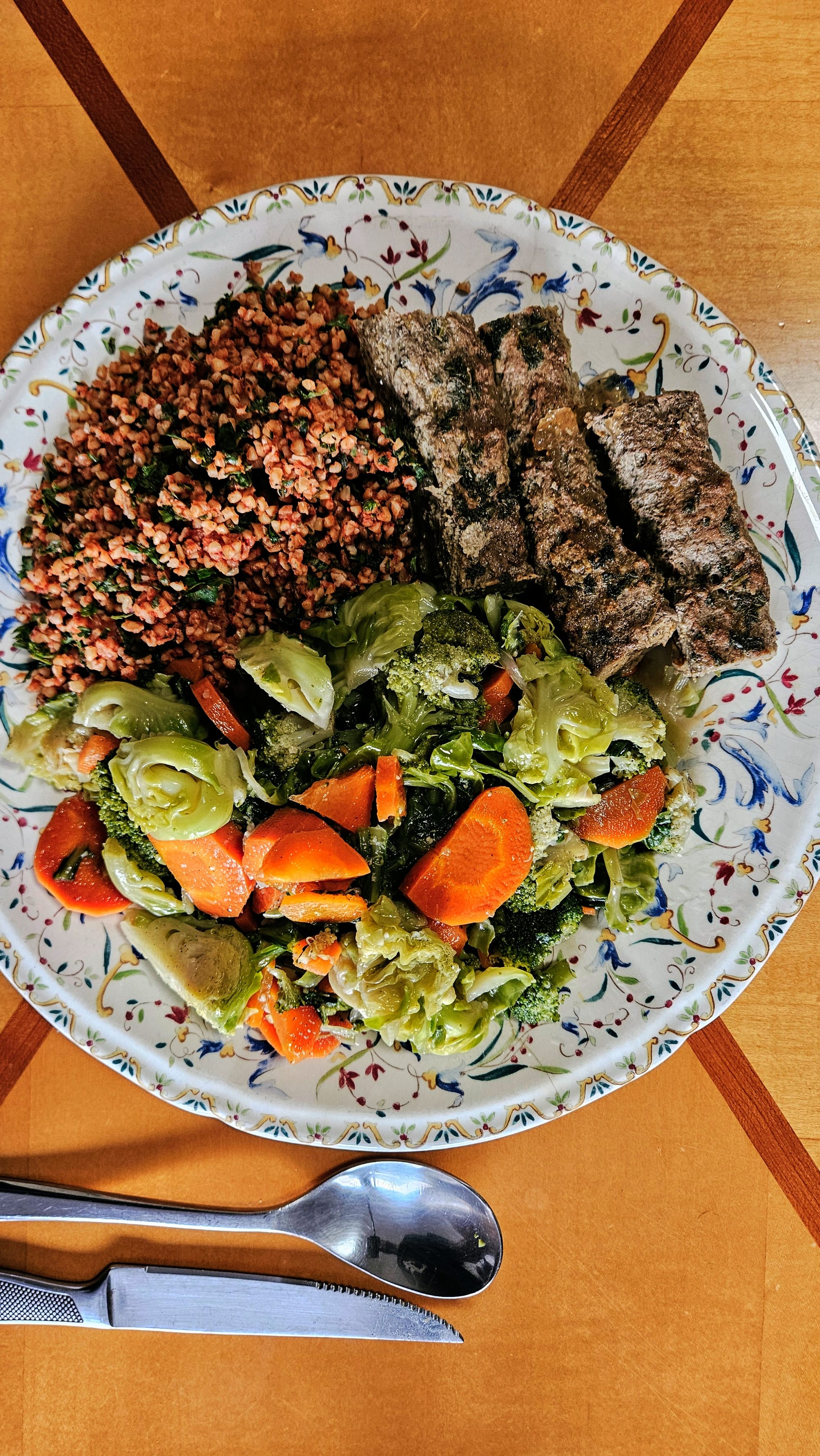
Instead of tracking calories, we focus on consistent portions (serving sizes) and plate proportions.
The Hand-Based Portion System
Your hand scales with your body — making it the most reliable measuring tool you have.
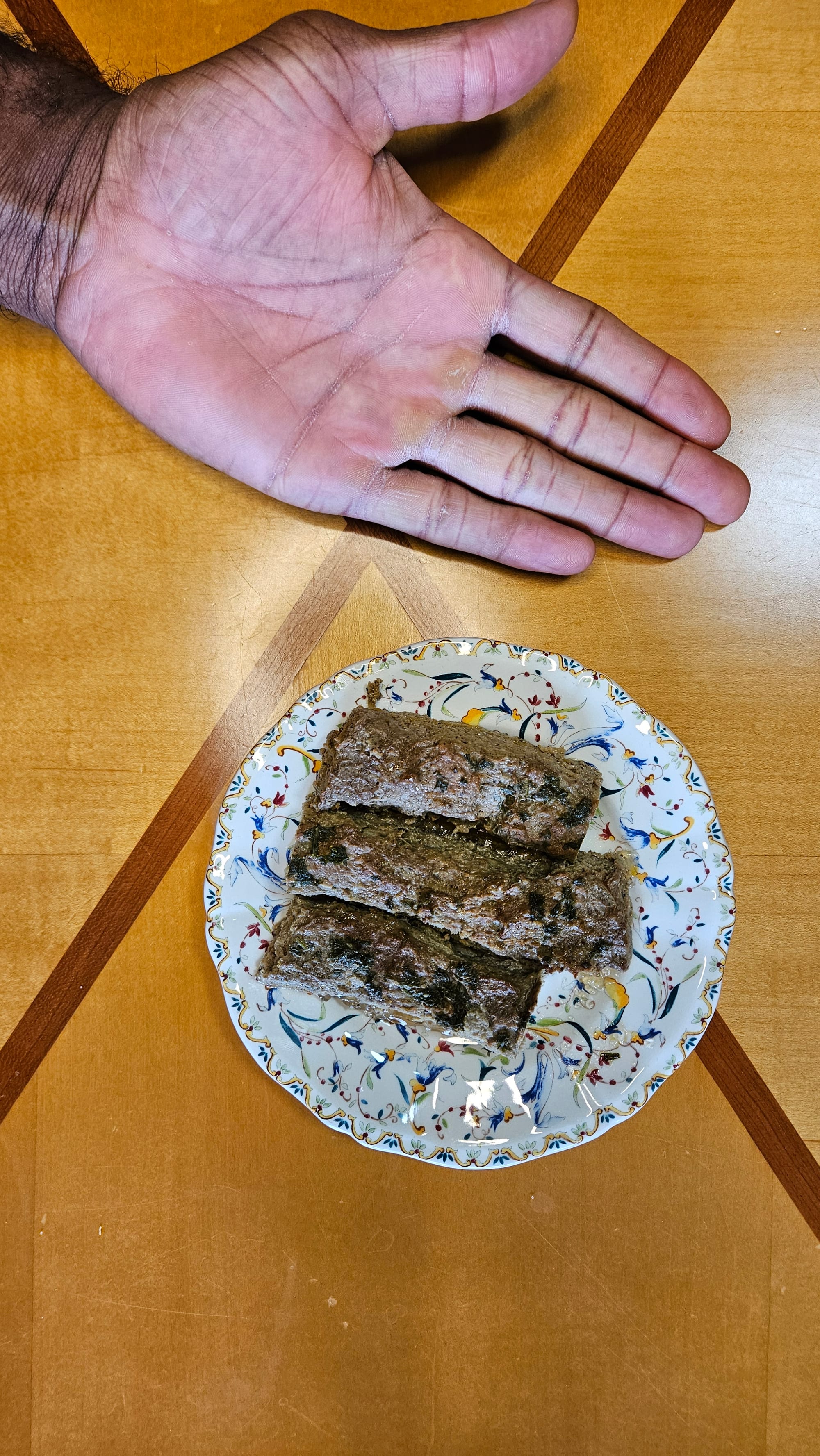
Protein — Palm
- 1 palm = ~25–35g protein
- Meat, fish, eggs, tofu, yogurt
- Most meals: 1–2 palms
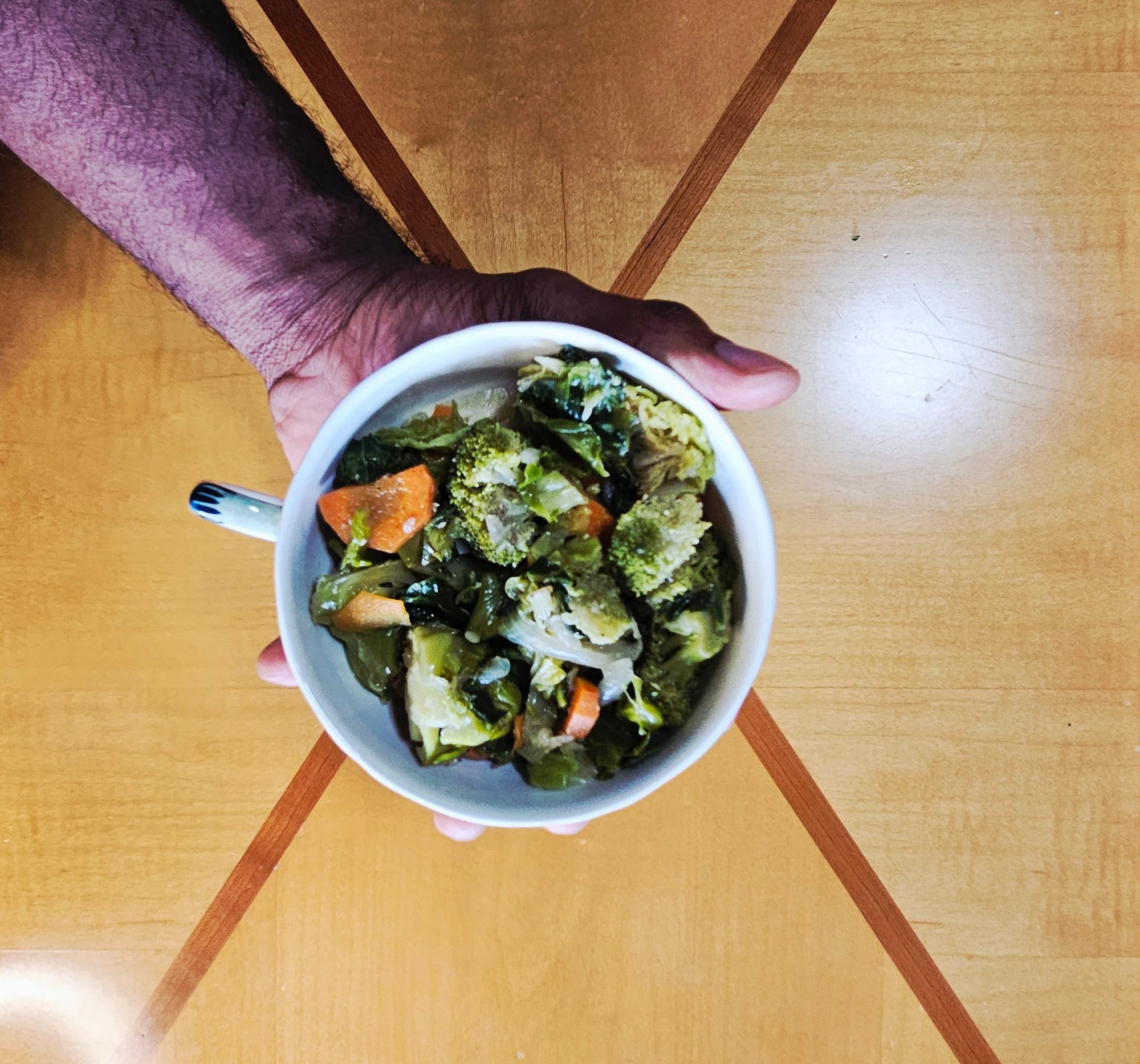
Vegetables & Fruit — Fist
- 1 handful ≈ 1 cup
- High in fiber, micronutrients, phytonutrients
- Most meals: 1–2 handfuls
- *No true limit when eaten in original form with variation
Carbohydrates (starches) — Cupped Hand
- 1 cupped hand ≈ 1/2 cup
- Rice, potatoes, pasta
- Adjust based on activity level
- Training days = more
- Rest days = less
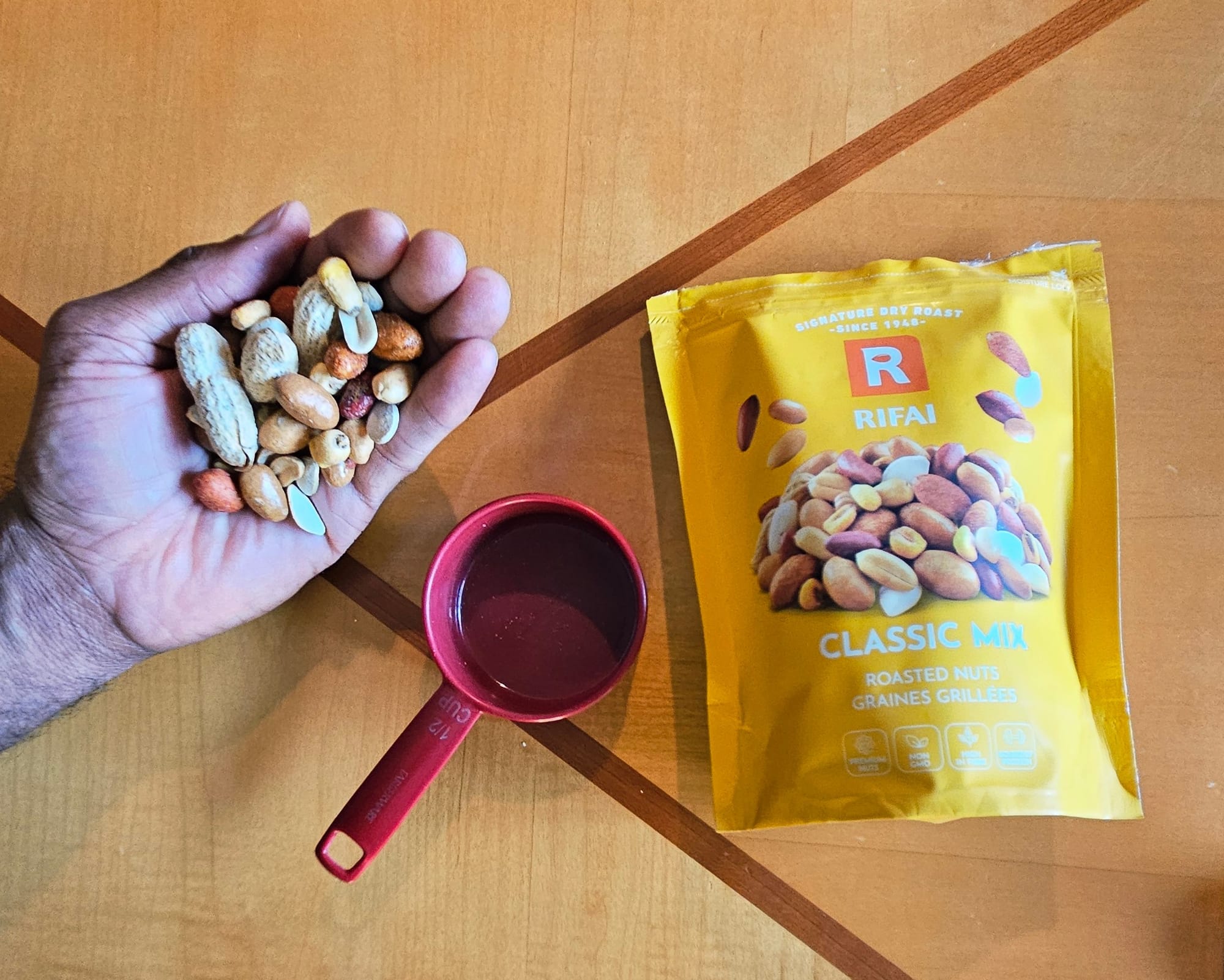
Fats — Thumb
- Oils, butter, nut butters, soft cheese
- 1 thumb ≈ 1 tablespoon
- Usually 1–2 thumbs per meal
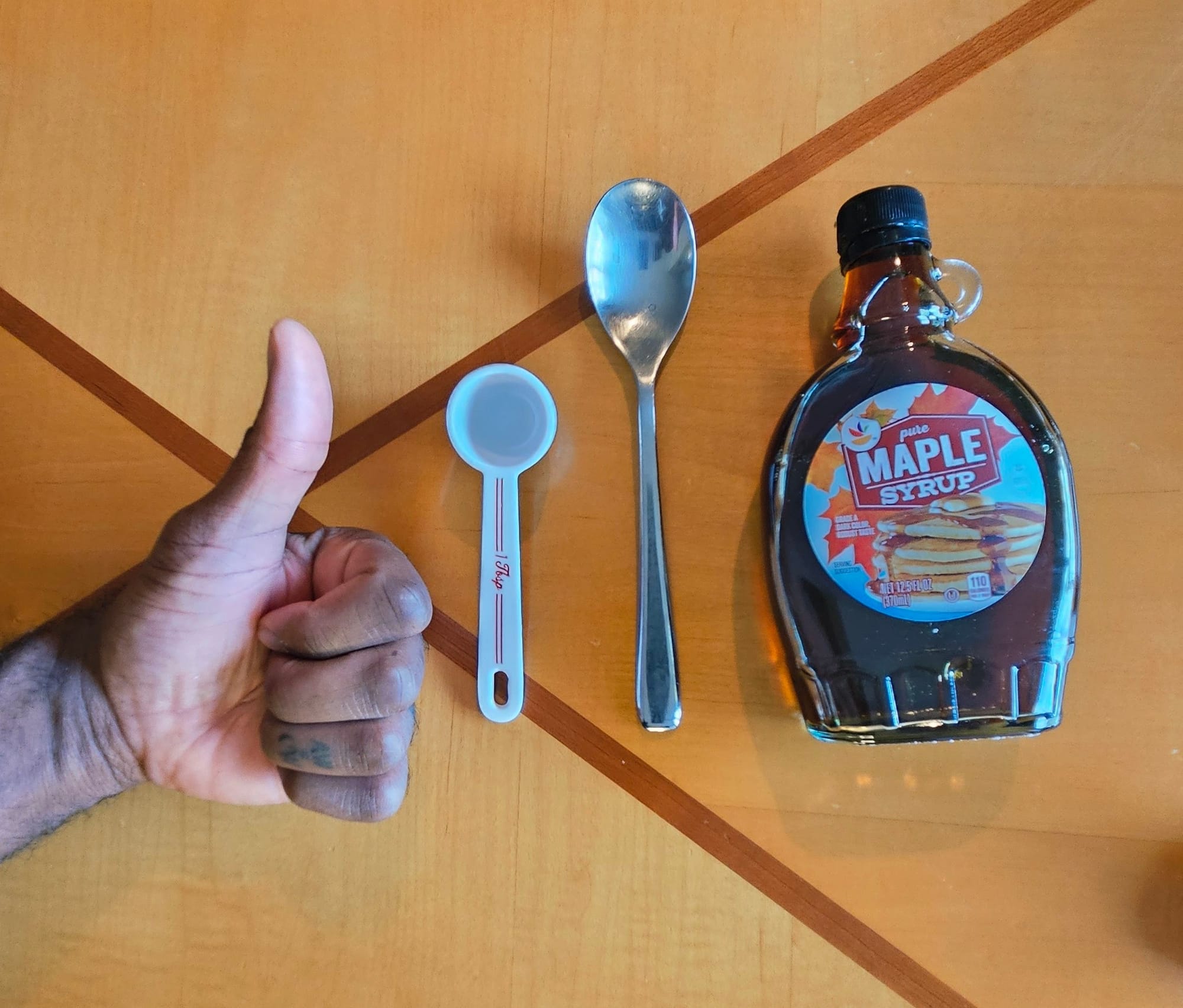
This system works at home, at restaurants, and while traveling — no scale required.
Build the Plate, Not the Spreadsheet
A balanced plate usually looks like:
- ½ vegetables
- ¼–⅓ protein
- ¼–⅓ carbohydrates
- Small amounts of fat for flavor and satiety
When appetite is low, choose fruit & vegetable options first, avoid processed snacks, & prioritize protein at your biggest meal.
When training volume is high, increase carbohydrates slightly.
When fat loss is the goal, expand vegetables and tighten starchy carbs.
Simple levers. No math.
Why This Works Long Term
This approach:
- Supports gut health
- Keeps hormones stable
- Reduces decision fatigue
- Makes intermittent fasting easier
- Prevents chronic under-eating or over-eating
Most importantly, it’s repeatable.
Consistency beats precision every time.
The Bottom Line
You don’t need an app to eat well.
You need:
- Quality food
- Sensible portions
- Consistent habits
Use your hand.
Build your plate.
Adjust by results — not numbers.
That’s how nutrition becomes sustainable.