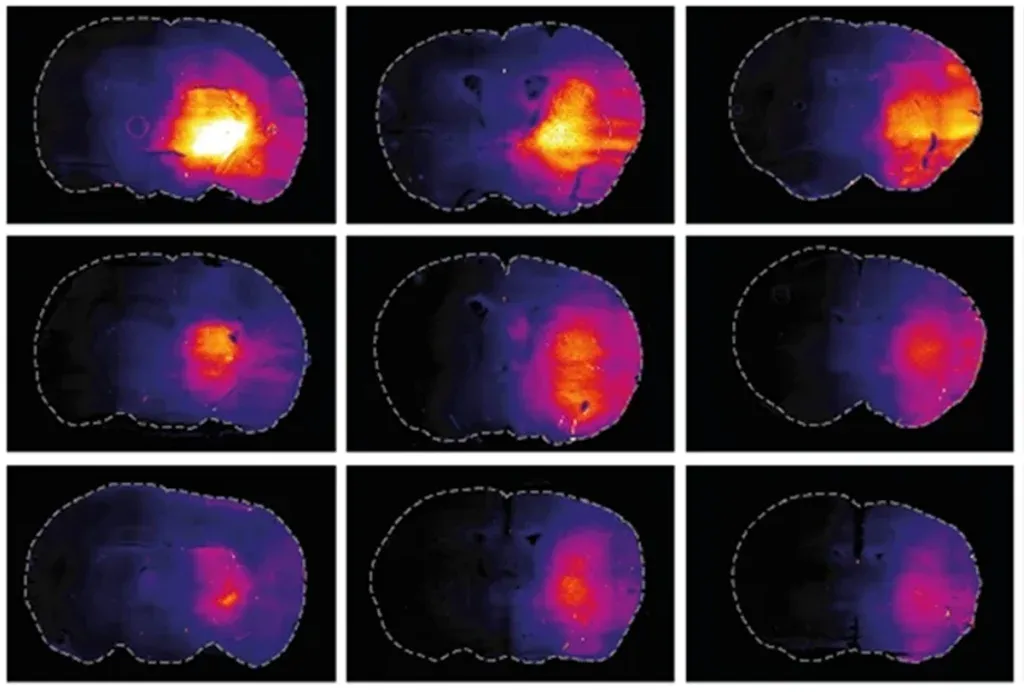
Why Deep Sleep Is Your Brain’s Primary Recovery and Cleanup Cycle
Most people think of sleep as rest.
From a physiological standpoint, sleep is something much more active:
it is when your brain cleans itself.
During waking hours, your brain is one of the most metabolically active tissues in the body. Every thought, decision, and movement generates by-products of neural activity. If those by-products are not cleared efficiently, performance declines long before disease ever appears.
The system responsible for this cleanup is called the glymphatic system—and it is one of the strongest arguments for why sleep and meal timing are non-negotiable in any serious fitness or health practice.
What the Glymphatic System Is
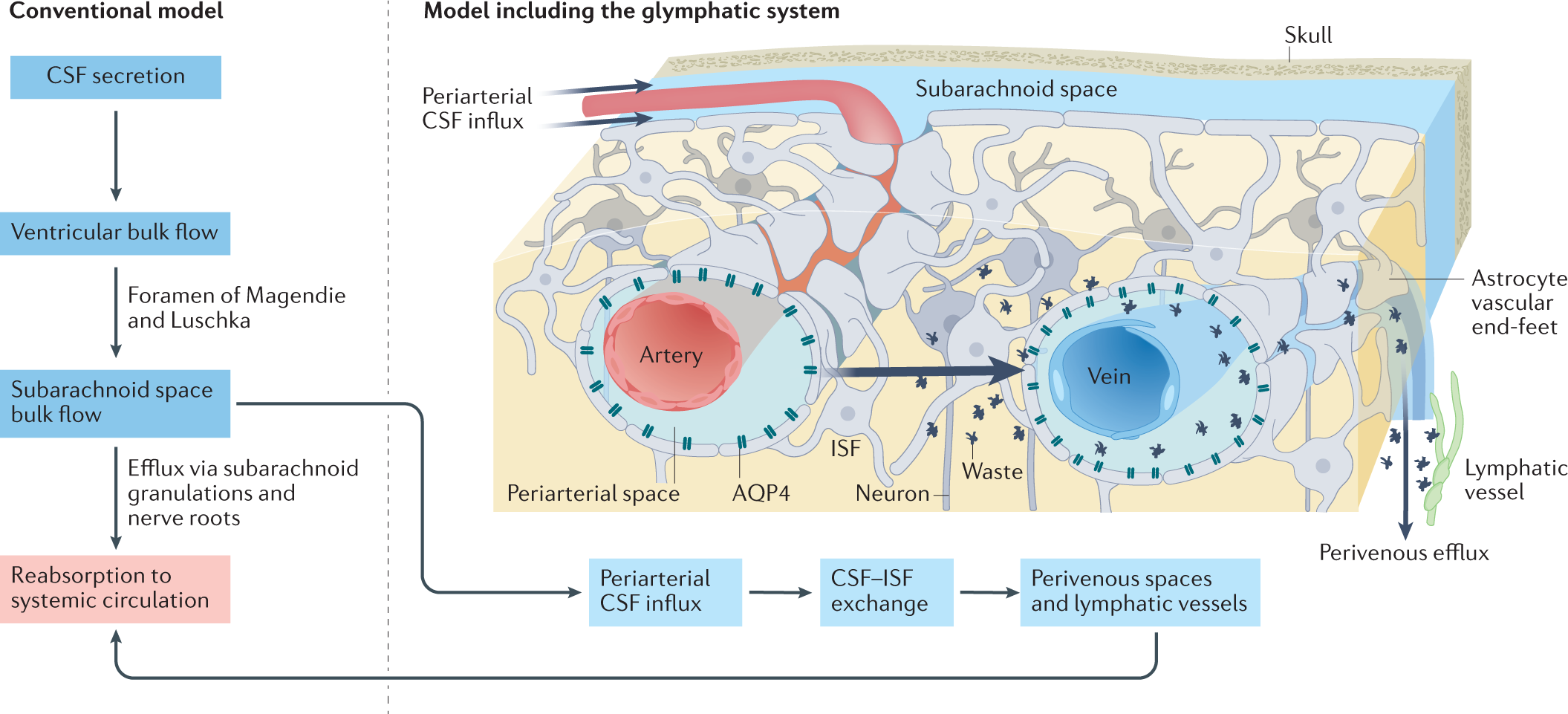
The glymphatic system is a specialized clearance network in the brain, first described in 2012. It uses cerebrospinal fluid (CSF) to flush metabolic waste out of brain tissue and move it toward elimination pathways.
Think of it as the brain’s equivalent of the lymphatic system:
- Lymph cleans the body’s tissues
- Glymph cleans the brain’s tissues
Throughout the day, waste products accumulate from normal neural activity. One of the most well-known is beta-amyloid, a protein associated with cognitive decline when clearance is impaired.
The glymphatic system is not a background process.
It is a deep-cycle reset, and it happens almost entirely during sleep.
Why Deep Sleep Is the Trigger
Here’s the key insight:
The glymphatic system is most active during deep, non-REM sleep.
When you’re awake, brain cells are packed tightly together to allow fast communication. During deep sleep, those cells shrink slightly, creating space between them. That space allows cerebrospinal fluid to move through brain tissue and wash waste out efficiently.
Studies show this clearance process increases dramatically during deep sleep compared to waking hours.
If sleep is short, fragmented, or shallow:
- waste clearance is reduced
- cognitive performance drops
- mood becomes less stable
- reaction time and coordination suffer
For anyone who trains, this isn’t just a health issue—it’s a performance issue.
A tired brain produces poor movement.
The Sleep–Performance Connection
When glymphatic clearance is compromised, the effects show up quickly:
- Brain fog and slower decision-making
- Mood instability and irritability
- Reduced motor control, increasing injury risk
- Poor learning and memory consolidation
- Long-term neural stress if the pattern repeats
This is why athletes who “train hard but sleep poorly” often plateau or break down despite good intentions.
The brain cannot adapt in a dirty environment.

How Meal Timing Influences Brain Cleanup
Sleep quality does not exist in isolation.
Digestion competes with recovery.
Eating too close to bedtime keeps the body metabolically active at a time when it should be shifting into repair mode. Blood flow, hormones, and nervous system signaling remain oriented toward digestion instead of neural maintenance.
This is where meal timing, emphasized in the 7-Step Diet, becomes critical.
Practical implications:
- Large or heavy meals late at night reduce deep sleep time
- Elevated insulin and inflammation interfere with sleep architecture
- Fragmented sleep reduces glymphatic flow
A clean brain requires an uncluttered night.
Supporting the Glymphatic System (Daily Habits)
You do not need supplements or hacks.
You need alignment.
1. Protect Sleep Like Training
7–9 hours of sleep is not downtime—it is active neural recovery.
2. Finish Eating Earlier
Aim to complete your last substantial meal 2–3 hours before bed.
This allows digestion to wind down before sleep begins.
3. Hydrate During the Day
Cerebrospinal fluid is mostly water.
Hydration supports its movement—but late-night overhydration disrupts sleep.
Hydrate early; taper fluids in the final 1–2 hours.
4. Establish a Wind-Down Window
The nervous system needs a signal that the day is ending:
- dim lights
- reduce screens
- calm movement or reading
- light stretching or breathing
This improves sleep depth, not just duration.
5. Respect Caffeine Timing
Caffeine has a long half-life.
For most people, intake after early afternoon interferes with deep sleep—even if they “fall asleep fine.”
How This Fits the Bigger System
The glymphatic system is not separate from the rest of the body.
It is the brain-level counterpart to:
- the lymphatic system (tissue cleanup)
- the kidneys and liver (downstream filtration)
- daily movement (fluid propulsion)
- circadian rhythm (timing and repair)
Together, these systems explain why:
- daily movement works
- late-night eating backfires
- chronic sleep deprivation erodes performance
- recovery is not optional
The Final Word
- The glymphatic system clears metabolic waste from the brain.
- It is activated primarily during deep sleep.
- Poor sleep equals poor cleanup, regardless of training quality.
- Meal timing, hydration, and nervous system regulation directly influence this process.
Big Idea:
Sleep is not passive rest.
It is when your brain cleans, resets, and prepares you to perform again.
If you care about adaptation, recovery, and long-term performance, protecting sleep is not optional—it is foundational.