Your Body’s Guardian Network for Recovery, Immunity, and Adaptation
Most people think of fitness in terms of muscles, heart rate, or calories burned.
Very few think about fluid movement.
Yet beneath every workout, every recovery cycle, and every immune response lies a silent system doing constant cleanup: the lymphatic system.
If blood is how the body feeds itself, lymph is how the body cleans itself.
And without effective cleanup, adaptation breaks down.
The Big Picture
Your body is made of trillions of cells living in fluid.
That fluid environment is managed by two cooperating systems:
- Blood delivers oxygen, nutrients, and hormones to tissues.
- Lymph collects excess fluid, metabolic by-products, immune debris, and waste from the spaces between cells.
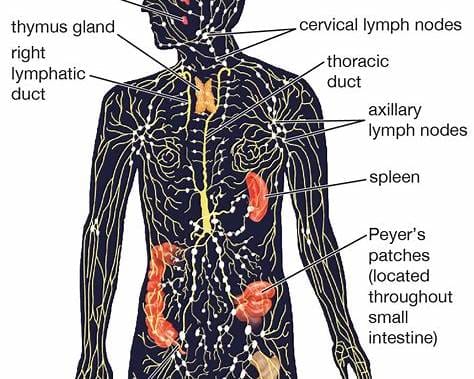
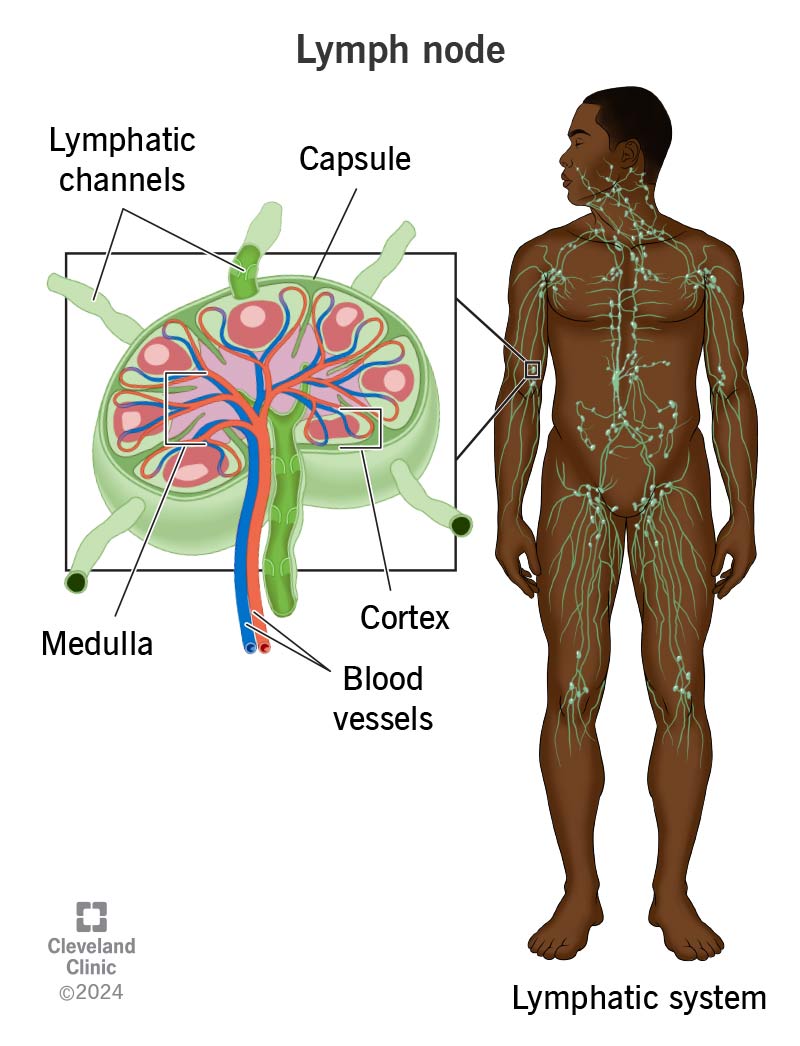
The lymphatic system is a vast, one-way network:
tiny lymph capillaries → collecting vessels → lymph nodes → major ducts → back into the bloodstream
From there, wastes are processed and eliminated through:
- the kidneys (urine),
- the liver and bile (stool),
- the lungs (carbon dioxide),
- and the skin (sweat).
Blood feeds. Lymph cleans.
Healthy bodies require both to move well.
What the Lymphatic System Does
1. Maintains Fluid Balance
Lymph returns excess fluid from tissues back into circulation.
Without this return, swelling, pressure, and tissue congestion develop.
2. Supports Immune Surveillance
Hundreds of lymph nodes act as filtration and coordination hubs for immune cells.
The tonsils, adenoids, spleen, and appendix are also lymph-associated tissues.
This system allows the body to respond to threats without overreacting.
3. Transports Dietary Fats
Specialized lymph vessels in the small intestine (lacteals) absorb dietary fats and fat-soluble vitamins before they enter the bloodstream.
This means lymph is not just a waste system — it’s part of nutrition delivery.

4. Handles Cellular Waste
Every cell produces by-products. Lymph collects that material from interstitial fluid (the space between cells) and moves it out so tissues can regenerate.
How Lymph Moves (and Why It Often Doesn’t)
Unlike blood, lymph has no central pump.
It depends on four main inputs:
1. Movement
- Walking
- Training
- Muscle contractions (especially calves, hips, and trunk)
This is why sedentary lifestyles stall recovery.
2. Breathing
The diaphragm acts like a piston, creating pressure gradients that pull lymph upward.
Slow nasal breathing and long exhales matter more than most people realize.
3. Hydration & Fluid Quality
Lymph is mostly water.
Dehydration thickens lymph, slowing its flow and increasing resistance.
4. Posture, Tissue Health & Sleep
- Slumped posture compresses vessels
- Tight fascia restricts flow
- Deep sleep coordinates immune activity and tissue repair
When these inputs are poor, lymph can stagnate.
Common signs include:
- puffiness
- “heavy” limbs
- frequent minor illness
- prolonged soreness
- tender lymph nodes during infection
Blood vs. Lymph: Important Clarifications
- Blood pH is tightly regulated around 7.35–7.45. Significant deviation is a medical emergency.
- Lymph drains into the venous system, then waste is filtered by the liver and kidneys.
- The kidneys filter blood, not lymph directly — but healthy lymph flow reduces burden on downstream filtration.
- Lymphatic health supports recovery; it does not replace medical care.
Understanding these distinctions prevents confusion and misinformation.
Practical Ways to Support Lymph Flow (Daily Habits)
These are fitness-safe, evidence-aligned behaviors — not detox protocols.
1. Move Every Day
- 7–10k steps
- Daily EBD sessions
- Mobility flows
- Jump rope or rhythmic cardio
Muscle movement is the pump.
2. Breathe With the Diaphragm
2–3 times per day:
- slow nasal inhales
- expand belly and ribs
- long, relaxed exhales
Even 3–5 minutes helps.
3. Hydrate and Mineralize
- Water throughout the day
- Salt food appropriately (especially if sweating)
- Eat water-rich plants (fruit, vegetables)
4. Eat Fiber-Rich Whole Foods
Fiber helps move waste out via stool, reducing systemic burden.
Aim for:
- mixed vegetables daily
- regular fruit intake
- minimal ultra-processed food
5. Prioritize Sleep
Deep sleep is when immune coordination and tissue repair occur.
Poor sleep = poor clearance.
6. Optional Supportive Practices
- Contrast showers
- Light dry brushing (toward the heart)
- Gentle self-massage
These are adjuncts, not requirements.
When to Seek Medical Evaluation
Do not self-manage if you notice:
- persistent limb swelling
- redness, heat, or pain
- rapidly enlarging lymph nodes
- unexplained fevers
- unexplained weight loss
- post-surgical swelling (e.g., breast/arm)
Lymphedema and vascular conditions are treatable — early care matters.
The Final Word
- The lymphatic system is a guardian network for cleanup, immunity, and recovery.
- It depends on movement, breathing, hydration, nutrition, posture, and sleep.
- When lymph flows well, tissues adapt better.
- When lymph stagnates, recovery slows — regardless of training effort.
Big Idea:
You don’t need to “detox” your body.
You need to keep it moving.
This is one of the quiet reasons daily movement works — it keeps your internal environment clear enough for adaptation to occur.