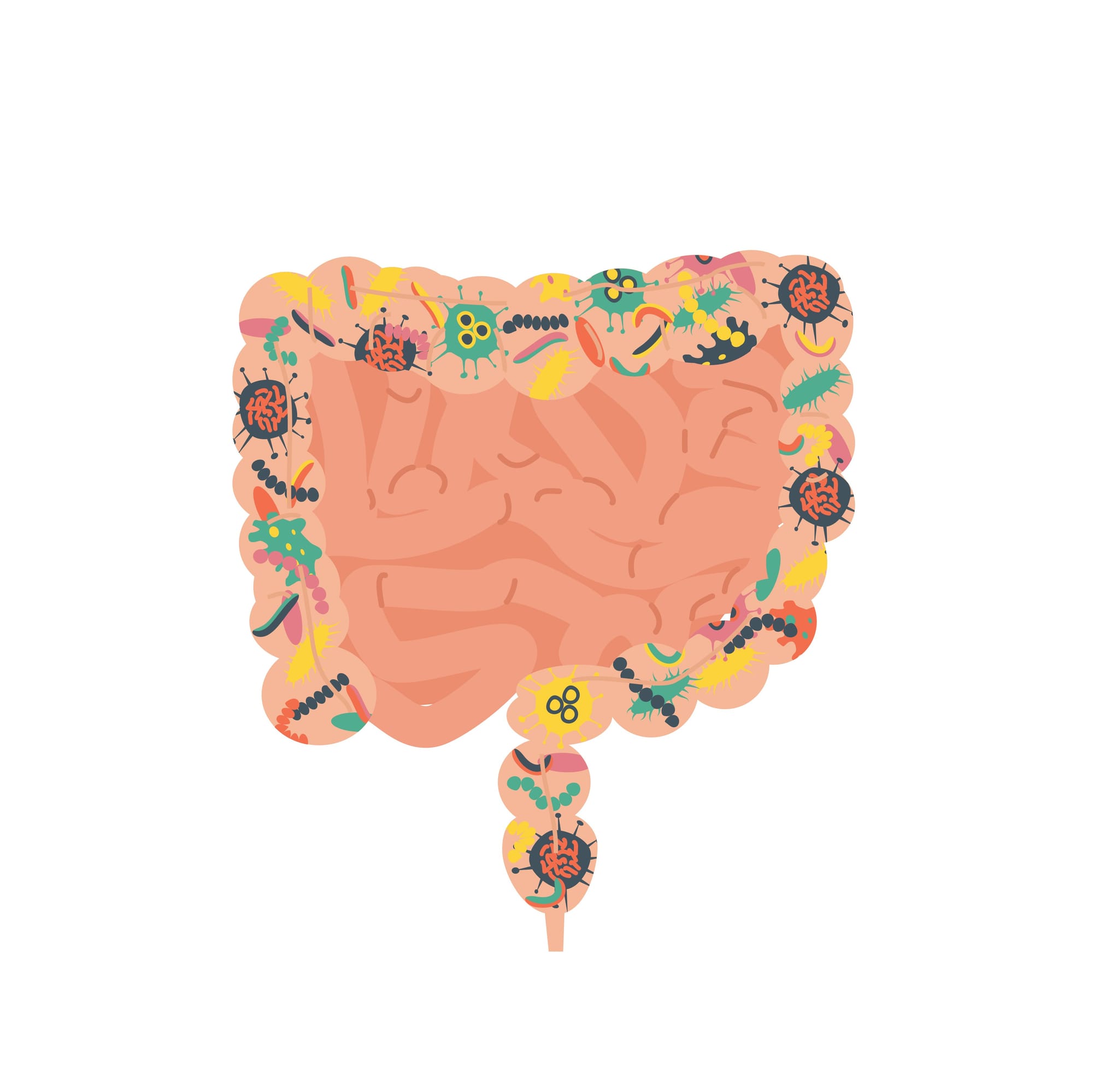
Why plants aren’t the problem — and what actually breaks the microbiome
Big Picture
When someone says “vegetables mess up my stomach” or “fruit spikes my blood sugar”, they’re usually drawing the wrong conclusion from the right signal.
Plants are not suddenly toxic.
The gut is compromised.
A resilient gut turns plant compounds into signals, fuel, and medicine.
A damaged gut turns those same compounds into irritation, bloating, and fear.
This article explains the real reasons gut health collapses, why modern fitness culture keeps misdiagnosing the problem, and how six common lifestyle factors quietly sabotage the microbiome—creating the illusion that plants are the enemy.
The Core Principle
Plants don’t damage a healthy gut.
A damaged gut reacts to everything.
Before blaming spinach, beans, or fruit sugars, you have to ask a more honest question:
What weakened the system in the first place?
1. Ultra-Processed Foods (UPFs): The Microbiome Extinction Event
Ultra-processed foods are the single most destructive force acting on the gut today.
They don’t just lack nutrition — they actively remove the conditions required for microbial life.
A diet dominated by UPFs:
- provides zero fermentable fiber, starving beneficial bacteria
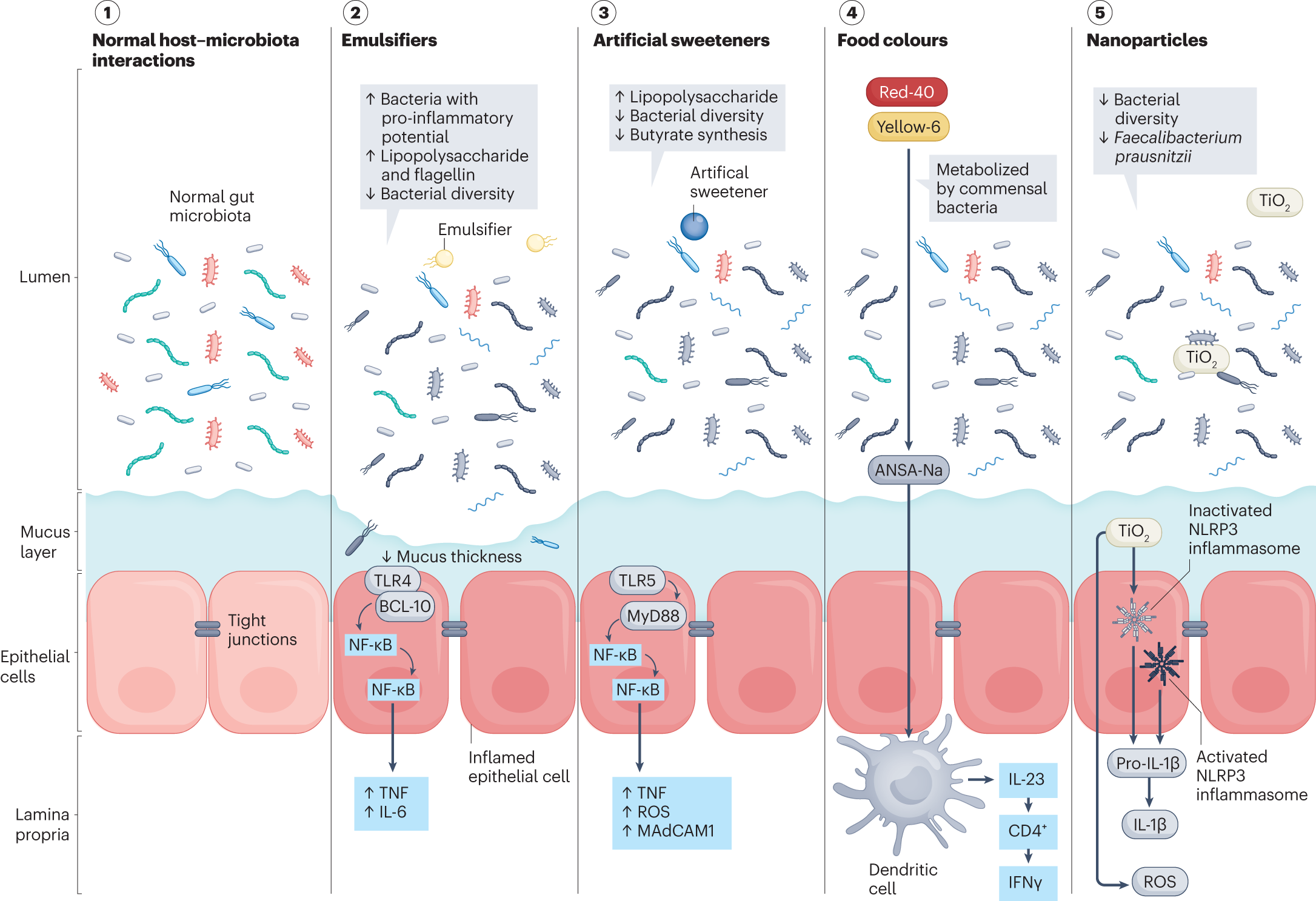
- introduces emulsifiers and additives that erode the gut’s protective mucus layer
- promotes inflammatory microbes while suppressing protective species
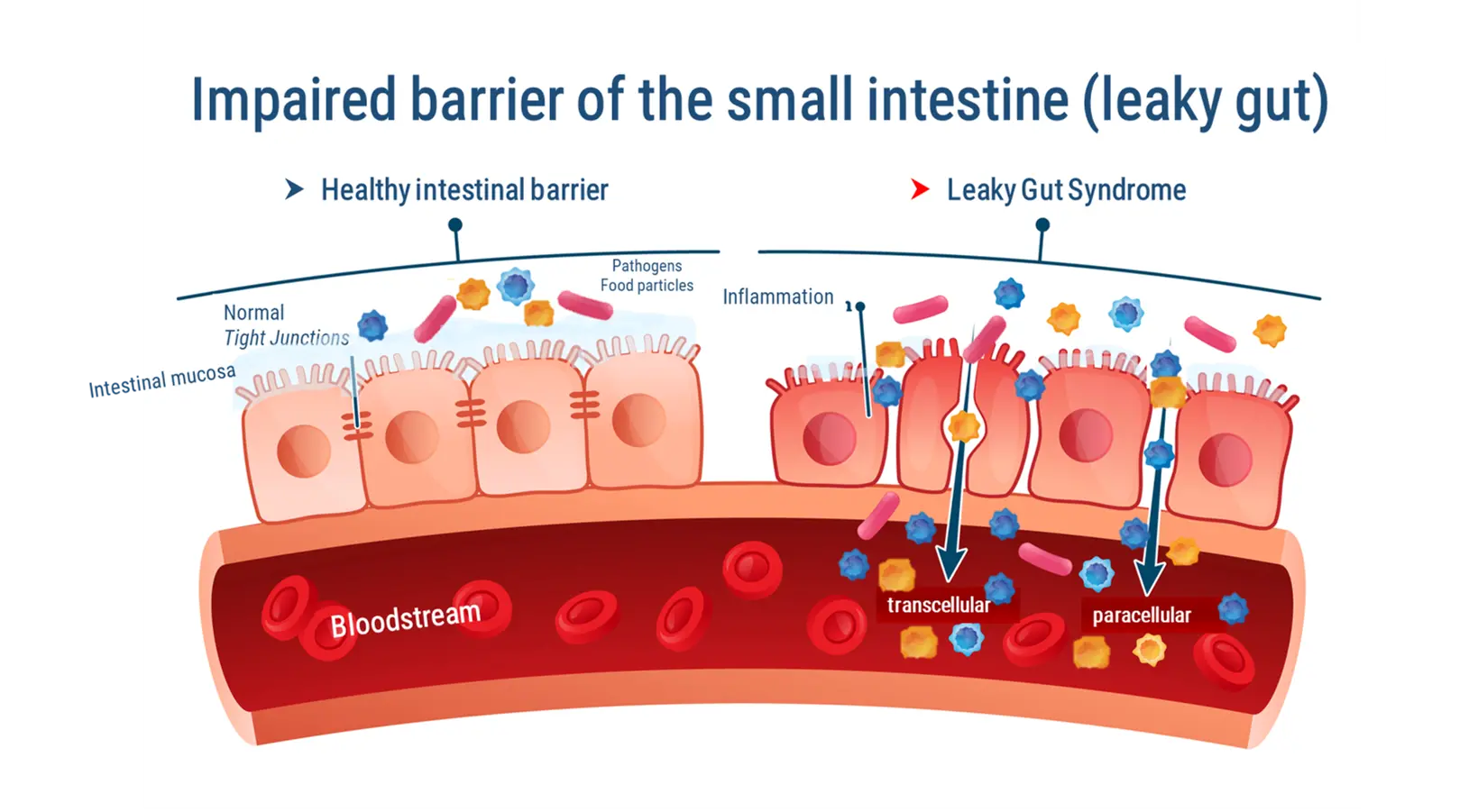
- increases intestinal permeability (“leaky gut”)
- destabilizes blood sugar, which further feeds dysbiosis
When fiber disappears, the microbiome collapses.
Once the microbiome collapses, everything becomes irritating — including healthy food.
This is where the story actually begins.
2. Industrial Seed Oils (When Oxidized)
Seed oils are not the villain by default.
Oxidized seed oils are.
Repeatedly heated industrial oils:
- generate inflammatory lipid byproducts
- damage tight junction proteins in the intestinal lining
- increase endotoxin (LPS) leakage into the bloodstream
- disrupt bile flow, impairing fat digestion
- selectively feed pathogenic gut organisms
The human body is well adapted to fats.
It is not adapted to rancid, repeatedly heated industrial oils masquerading as food.
3. Alcohol: The Socially Accepted Gut Toxin
Alcohol is unique because it’s culturally normalized while being biologically corrosive.
Even moderate intake:
- suppresses beneficial bacteria
- increases gut permeability
- reduces stomach acid (weaker digestion, more fermentation)
- burdens liver detox pathways
- weakens gut-immune signaling
When alcohol is habitual, the gut becomes inflamed, under-defended, and reactive.
Food reactions follow naturally.
4. Antibiotics: Necessary — and Often Misused
Antibiotics save lives.
They also flatten ecosystems.
Repeated or early-life antibiotic exposure:
- wipes out protective bacterial species
- allows opportunistic microbes and fungi to overgrow
- reduces bacteria that degrade oxalates, phytates, and other plant compounds
- lowers digestive enzyme production
- permanently shifts microbial balance in some individuals
This is a major reason adults “grow into” food intolerances they never had before.
The problem isn’t plants.
It’s the loss of microbial partners required to process them.
5. Artificial Sweeteners: Metabolic Sabotage Disguised as Discipline
Artificial sweeteners are often promoted as a “health upgrade.”
For the gut, they’re often worse than sugar.
Compounds like sucralose, aspartame, saccharin, and ACE-K:
- suppress beneficial bacteria
- reduce short-chain fatty acid production (especially butyrate)
- disrupt gut-brain signaling
- provoke insulin responses despite zero calories
- increase cravings and metabolic instability
Many people discover they tolerate fruit better than “diet” foods — and that’s not accidental.
6. Chronic Stress & Poor Sleep: The Invisible Gut Killers
Stress doesn’t just affect mood — it rewires digestion.
Chronic stress and sleep deprivation:
- reduce stomach acid (weaker digestion)
- slow intestinal motility (bloating, fermentation)
- elevate cortisol, thinning the gut lining
- increase histamine and inflammatory responses
- suppress beneficial microbes
- weaken vagal tone and gut-brain communication
This is where daily movement matters.
Your EBD system isn’t just training muscles — it normalizes stress hormones, restores circulation, and indirectly improves gut function without targeting the gut at all.
Pattern People Miss
When these six factors stack up, the gut becomes:
- inflamed
- under-digested
- microbially depleted
- hyper-reactive
At that point, plants get blamed for damage they didn’t cause.
Remove the destroyers, and suddenly:
- vegetables stop “irritating”
- fruit stops “spiking”
- fiber becomes tolerable again
- anti-nutrients stop behaving like toxins
The Final Word
- Plants are not gut destroyers — modern inputs are
- A compromised gut reacts to everything
- Ultra-processed food, alcohol, antibiotics, artificial sweeteners, oxidized oils, and stress create the conditions for food intolerance
- Restore the system, and plant compounds shift from irritants → signals → medicine
Big Idea:
If plants feel like the problem, the gut is asking for repair — not restriction.
Related Articles: